By Marcus Reyes, Editor. Updated 28 September 2026. We revisit this page every 90 days.
A checkout that converts on organic traffic can fall apart under paid. The bill climbs, the ad platform keeps re-learning every time you test, and a single processor caps how much volume you can push before it flags you. The tools below are the ones we would actually point ad spend at, and each wins a different job. Prices were checked against every vendor's own pricing page on 27 September 2026.
A checkout path per traffic sourceCold ads, email campaigns and affiliates often need different order bumps. Dedicated checkout URLs, copied campaigns and UTM reports do different jobs.
Keep the bump on the ad that sold itMeta and the processor disagree on the bump and the rebill. Use the host's reports or a tracker, and send the purchase from the server with one event id.
Which CRM puts a phone order on the checkout recordWhen a buyer calls or a card declines, the agent should add that sale to the checkout order. Konnektive, Checkout Champ and Sticky.io handle that phone sale differently.
Biz-op checkout: marketplace or your MIDA make-money offer needs a marketplace that pays affiliates, or a cart on a merchant account that can survive the refunds.
Own checkout: affiliates still get paidA marketplace hosts the checkout and takes a cut of each sale. Here is when to stay, and which platforms pay affiliates when you host the cart.
MID routing for subscription and rebill offersHow Konnektive, Sticky.io, Checkout Champ and ElasticFunnels route first sales of a subscription offer across merchant accounts, and why every rebill stays on the MID that took the trial.
Nutra checkout software: CRM or marketplacePaid-traffic supplement offers need your own merchant accounts behind a CRM, or a marketplace that takes the payment, the tax and the dispute.
Which plan retries a declined rebillThe renewal is where a DTC offer makes its margin. Match the retry schedule and the card-update email to your volume, from a continuity CRM to a hosted cart.
Chargeback management software for high-risk merchantsHow high-risk sellers keep their MIDs: ratio monitoring, Ethoca and Verifi chargeback alerts, then representment, with Chargeflow, Chargebacks911 and Ethoca compared.
Merchant of record platforms for digital productsSell software, downloads and courses worldwide with sales tax handled: Paddle, Lemon Squeezy, FastSpring and Gumroad compared as merchants of record.
ElasticFunnels is our top pick for most people.
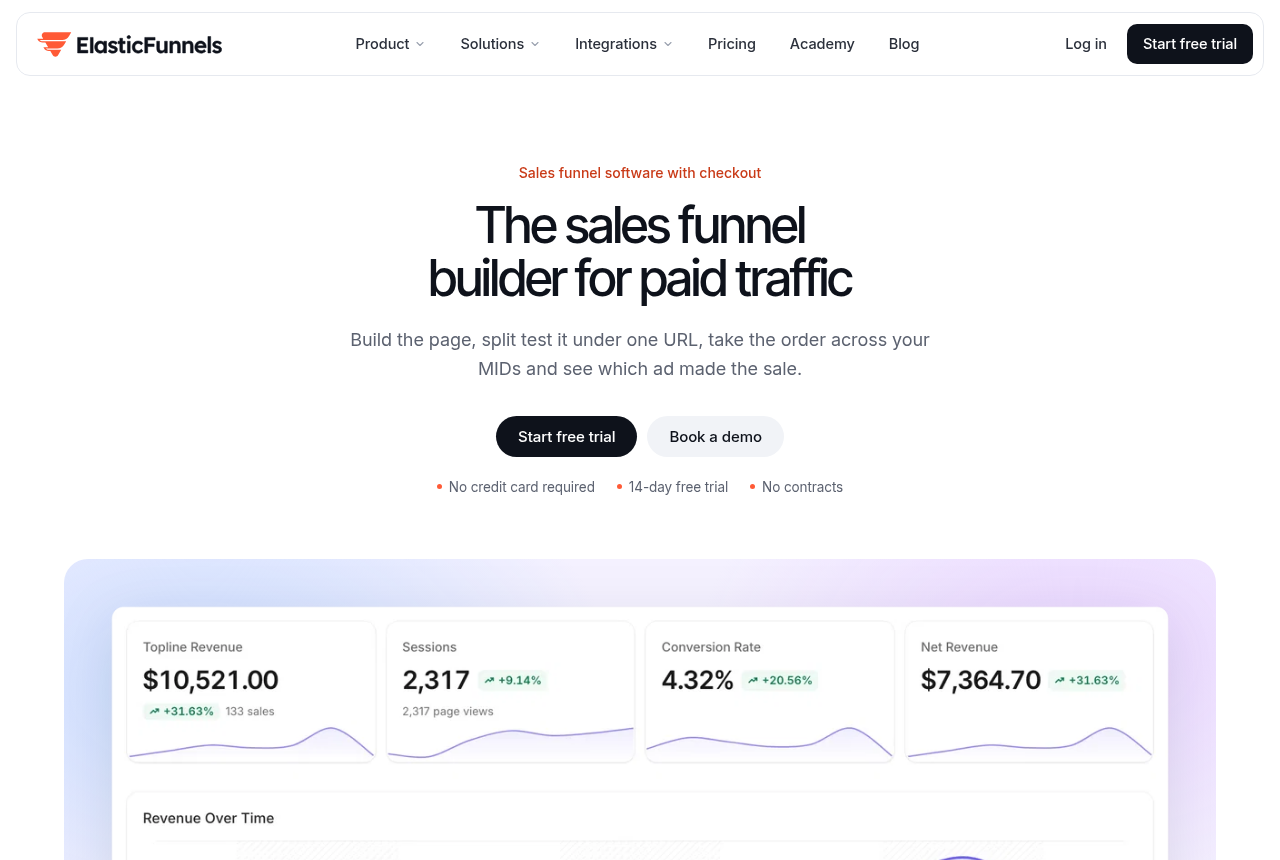
ElasticFunnels is the pick if you run paid ads and need to test whole checkouts under one URL while sending sales across several merchant accounts.
ElasticFunnels. Best for paid-traffic funnels where the landing page, the checkout and the sale stay on one customer record. From $97/mo.
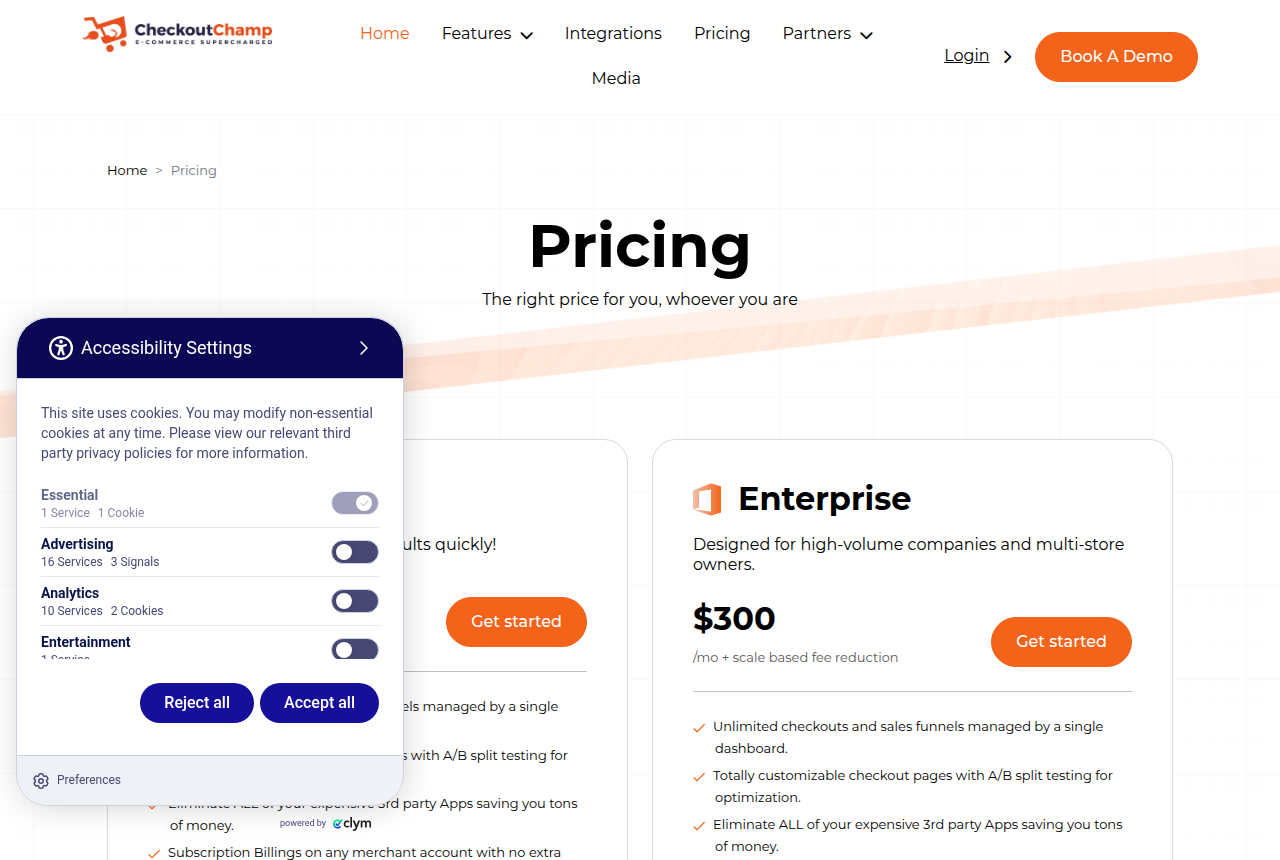
Checkout Champ. Best for high-volume direct-response brands that have outgrown a single processor. From $300/mo.
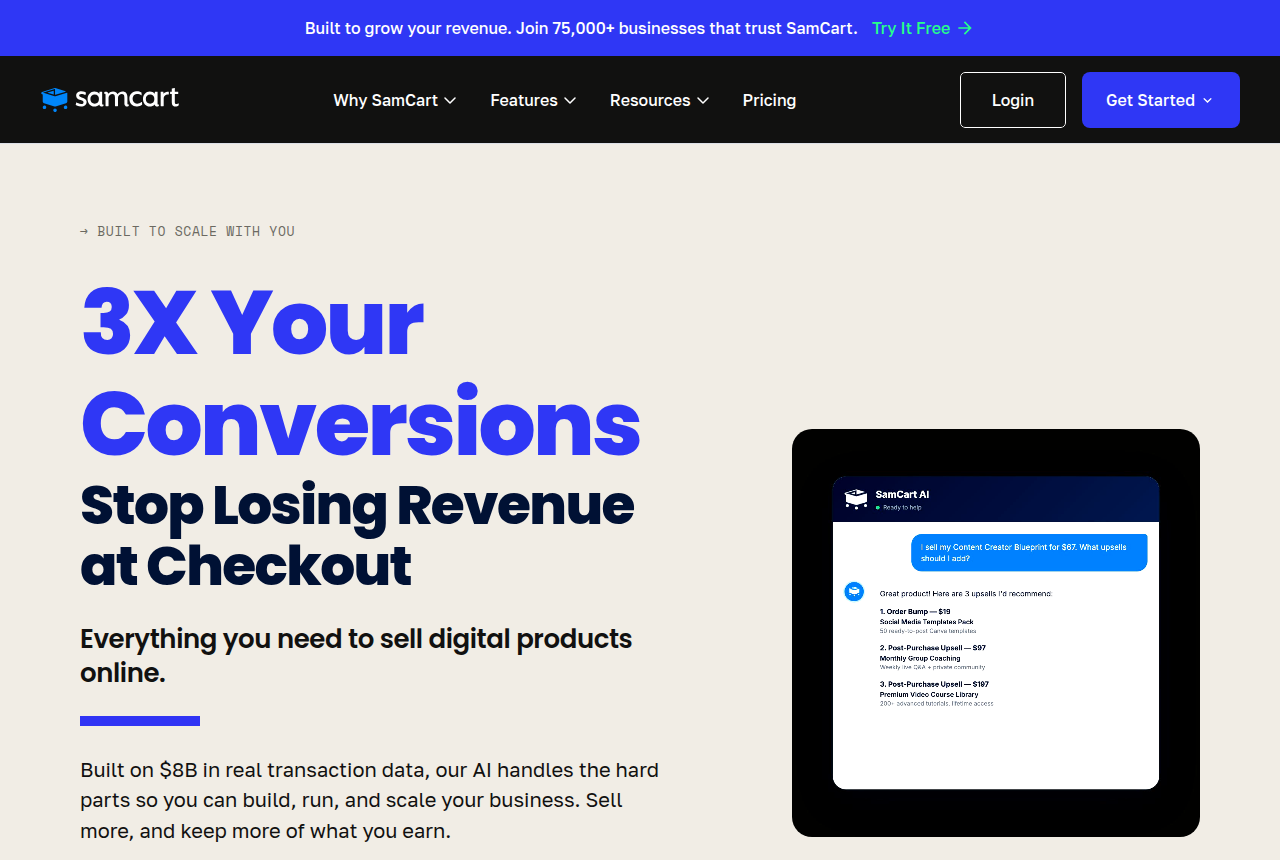
SamCart. Best for sellers who want a hosted checkout on SamPay, Stripe or PayPal, with bumps and upsells on the Pro plan. From $79/mo.
ClickFunnels. Best for course creators, coaches and info-product sellers who want funnels, checkout, email and a member area in one hosted account. From $97/mo.
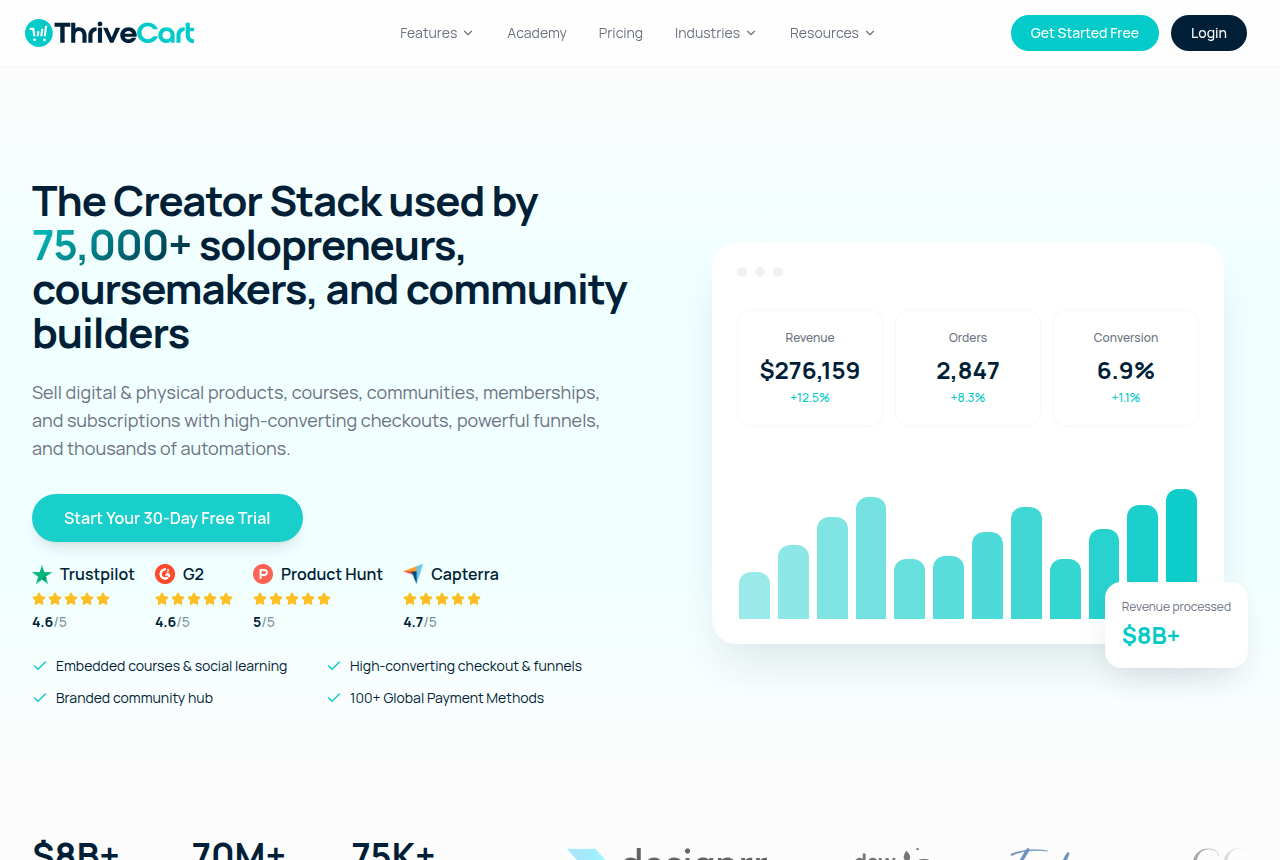
ThriveCart. Best for bumps and upsells on a monthly plan or a lifetime license. From $37/mo.
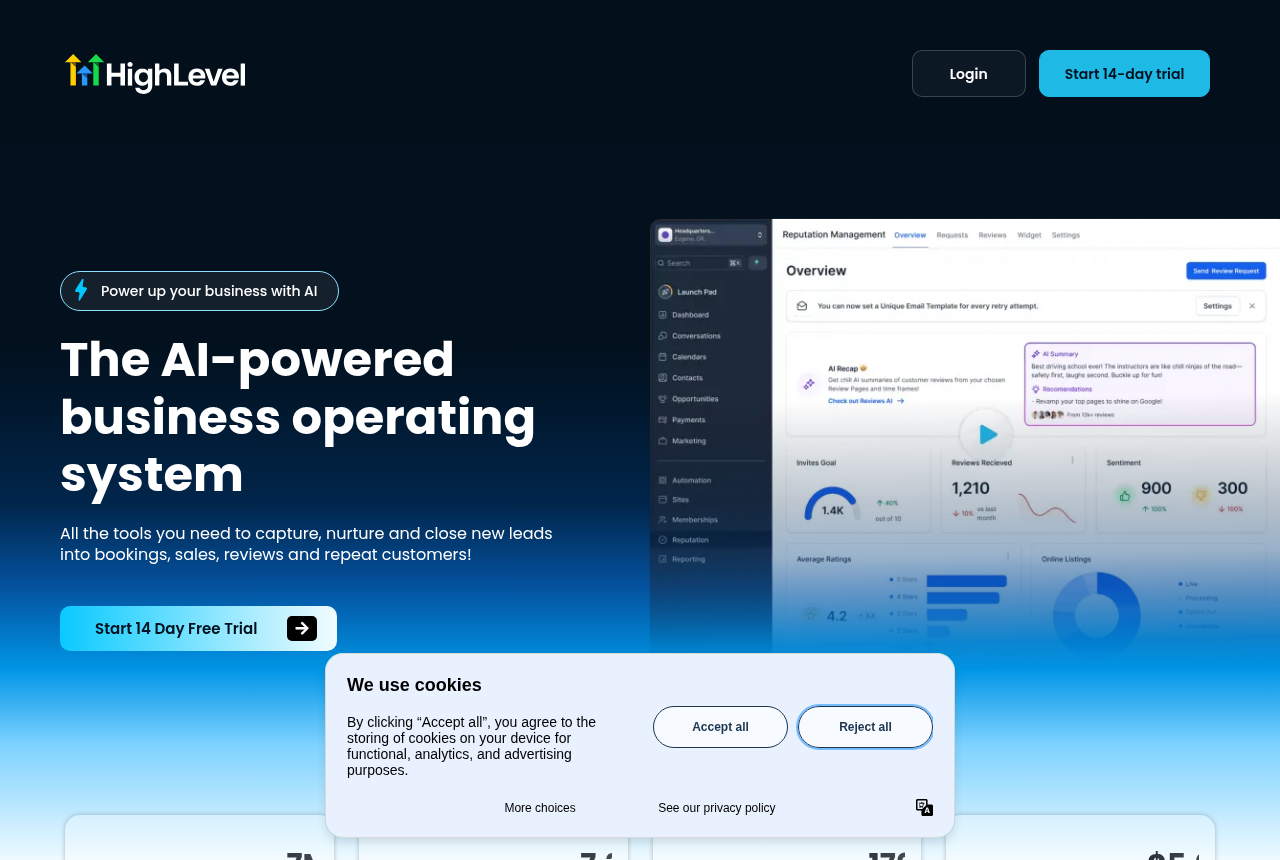
GoHighLevel. Best for agencies and paid-traffic sellers who want CRM, funnels and SMS together. From $97/mo.
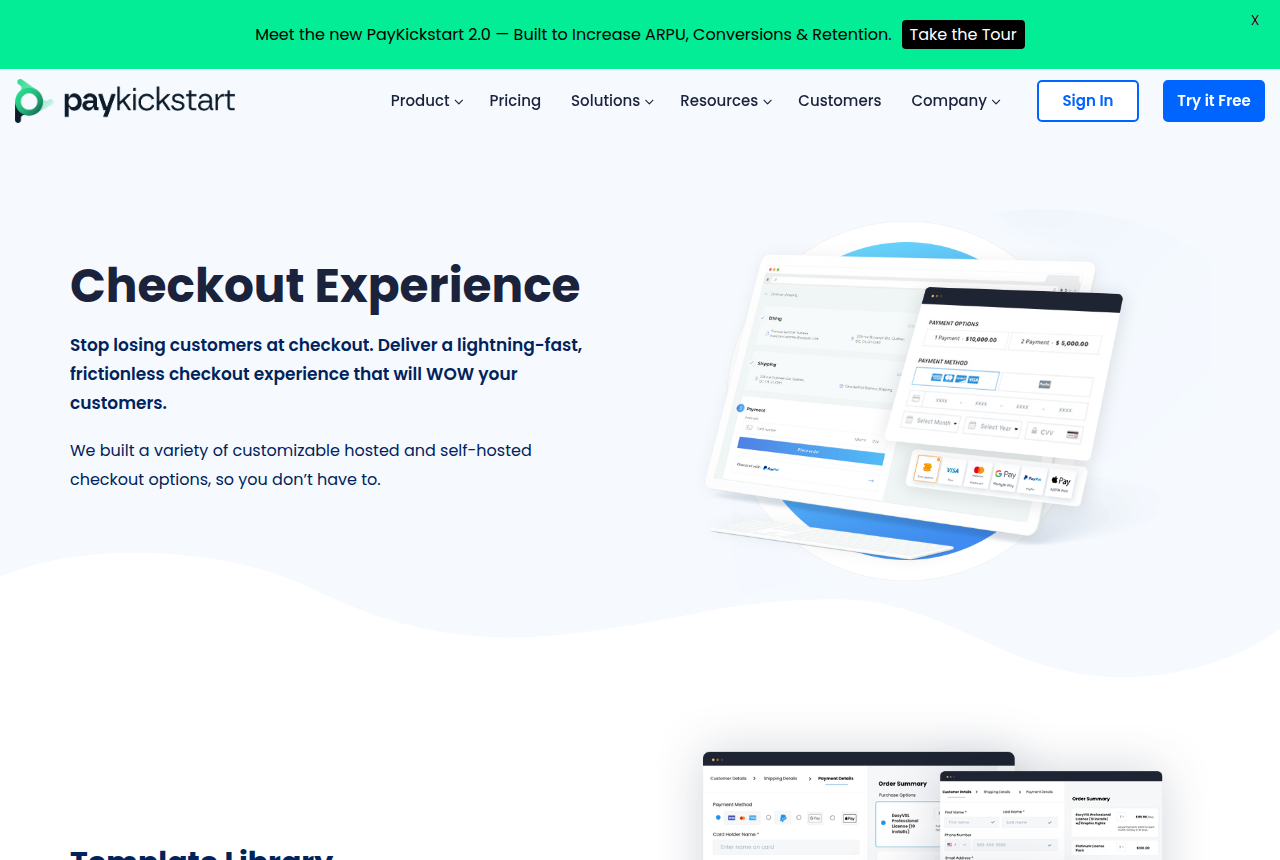
PayKickstart. Best for subscription sellers and affiliate-driven launches that want checkout, recurring billing and a referral program in one account. From $79/mo.
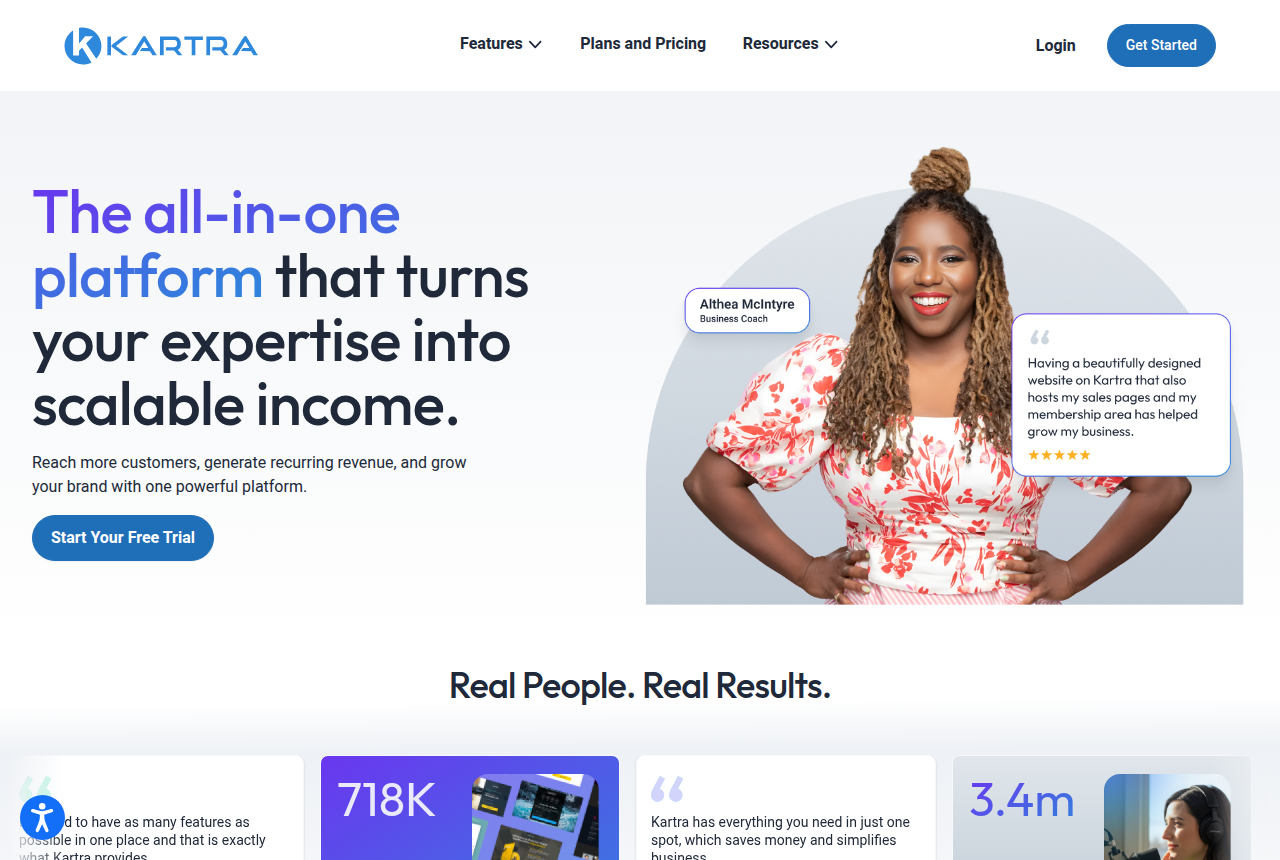
Kartra. Best for coaches and course creators who want one login instead of a stack of tools. From $59/mo.
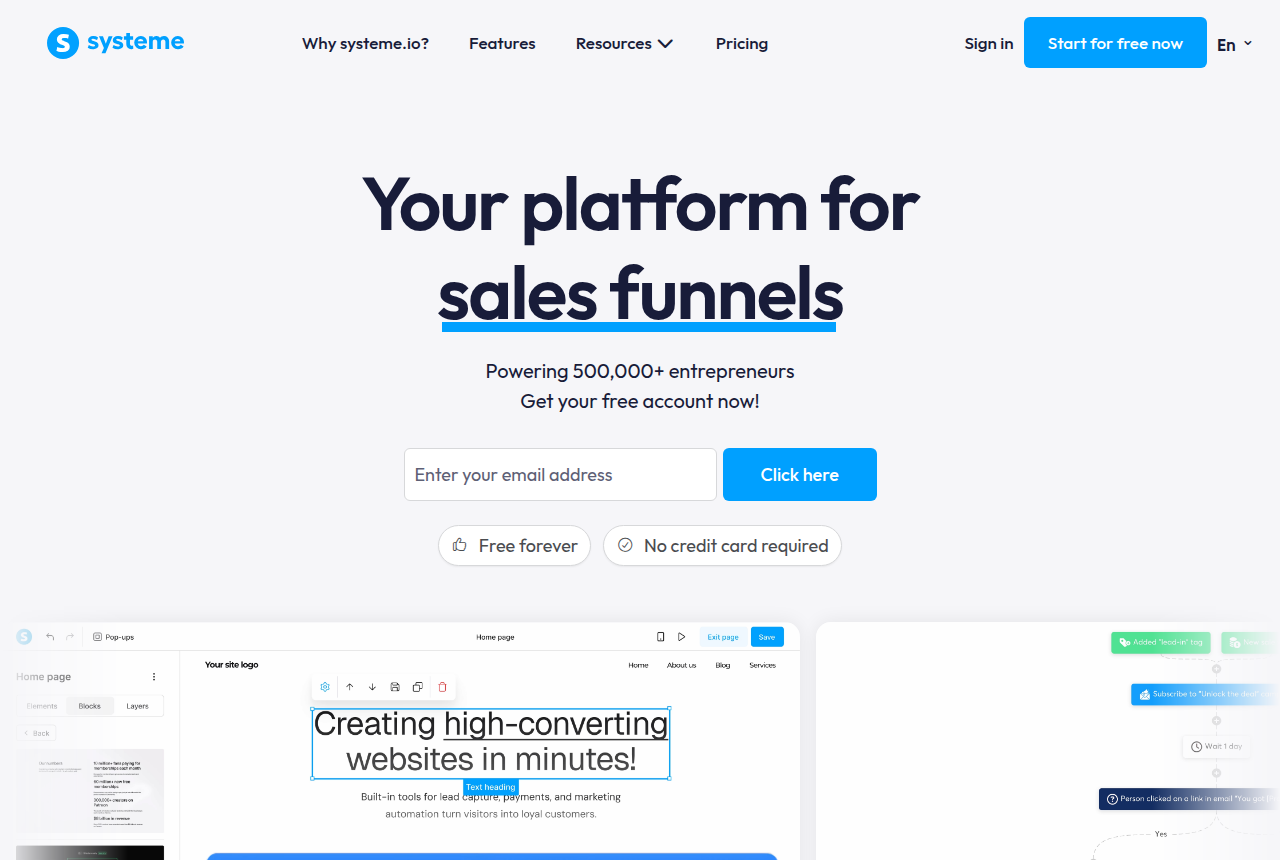
Systeme.io. Best for beginners and solo creators who want a truly free way to run funnels, email and courses in one place. Has a free tier.
Prices and trials from each vendor's pricing page, checked 27 September 2026. "Multi-MID routing" means spreading volume across several merchant accounts, not simply connecting one processor.
The ranking
1. ElasticFunnels
Funnel platform for teams running paid traffic: pages, same-URL split testing, checkout, CRM and attribution on one data layer.
Our take: ElasticFunnels is the pick if you run paid ads and need to test whole checkouts under one URL while sending sales across several merchant accounts.
What works
One data layer for the whole funnel: the click, the order, the rebill and the refund sit together on one record, so you can see which ad angle made money without reconciling four exports.
Same-URL split testing rotates variants server-side under one campaign link, so Meta, Google and TikTok keep their optimization and a test never sends the ad back through review.
Custom checkouts with order bumps, one-click upsells, subscriptions and multi-MID routing are included across Starter, Growth and Scale. The plans differ by traffic and account limits.
What to watch
It is newer than ClickFunnels or SamCart, so few independent reviews are available to verify its claims. Until you run real volume through it, you are largely taking the vendor's word for it. That is normal for a platform this new, and the 14-day trial, with no credit card required, lets you try the parts you care about first.
Hosted checkouts carry a 0.5% fee on processed revenue, on top of the processor's rate. That fee applies to ElasticFunnels checkouts. A sale that goes to another platform or network is billed without it.
2. Checkout Champ
Performance ecommerce platform with funnel pages, checkout customization, and multi-processor routing
4.3
Our take: Checkout Champ is the pick if you run high-volume direct-response offers and have outgrown a single processor, as long as you can accept a demo-gated setup and a bill that scales with your sales.
What works
Payment routing is its standout feature. It integrates with 270-plus gateways and spreads volume across several merchant accounts, so one processor hold does not stop your revenue. Few tools on this list do this, and none more thoroughly.
The checkout conversion kit is complete: on-page and pop-up order bumps, true one-click upsells that reuse the card on file, dynamic upsells by product, and continuity billing with a self-service customer portal.
Support and onboarding are hands-on. Each account gets an assigned account manager, and long-term users repeatedly rate the live support the best they have used.
What to watch
There is no self-serve free trial and no published money-back window. You book a demo and commit before you can test the platform yourself, which is a real barrier if you like to try before you buy.
The real cost is base plan plus 1% of sales plus billable add-ons, so it climbs with your volume. It is priced and built for established high-volume brands. A first-time or low-volume seller will find the feature set and the bill larger than they need.
3. SamCart
Checkout-first digital business platform with hosted checkout, AI page tools and courses on Core, and bumps, upsells, A/B tests and affiliates on Pro
Our take: Sellers leave SamCart when bumps and upsells sit on the Pro plan, or when the monthly price is the reason to switch. Keep SamCart if you want the checkout on SamPay, Stripe, or PayPal, and you want it live quickly.
What works
Stored cards, Apple Pay and Google Pay are available on SamPay and on a direct Stripe connection, so the pay step can stay short.
Order bumps and one-click upsells are the levers SamCart is built around. The same plan adds A/B testing and Subscription Saver.
Checkout Anywhere places the pay form on an existing website or a bio page, so the rest of the site can stay where it is.
What to watch
The Pro plan is where bumps, one-click upsells, A/B testing, Subscription Saver and the affiliate center live. Core includes checkout, pages, courses and cart abandonment.
SamPay opens a new Stripe account. An existing Stripe account connects only through the direct Stripe option, and the in-app payouts dashboard stays on SamPay.
4. ClickFunnels
Hosted funnel builder with Smart Checkout, email, CRM, courses, community, and an Affiliate Center on higher plans.
Our take: ClickFunnels is the pick if you are starting out and want proven templates and a familiar platform that bundles pages, checkout and email.
What works
It is the fastest way to launch a simple opt-in or sales funnel, and the templates are nicer than what most competitors offer.
The training, books and community around it are unmatched, which shortens the learning curve for a first-time funnel builder.
It takes no percentage of your sales. You only pay the monthly plan and your own processor fees.
What to watch
Long-term users call it expensive and rigid once you need deep customization or complex flows, and the bill climbs faster than the value as you scale.
The move from Classic to 2.0 was rough, with users reporting rebuilds rather than clean imports. Checkout stays on one processor.
5. ThriveCart
Hosted checkout with order bumps, upsells and 0% fees on sales.
Our take: Use it when checkout is the priority: order bumps, upsells and checkout tests, on a monthly plan or a lifetime license, while the course stays where students already watch.
What works
The cart's job is order bumps, one-click upsells, downsells, and split tests on the checkout and the funnel. The homepage states 0% platform fees on sales.
New plans include a 30-day trial. ThriveCart still offers a monthly subscription and a lifetime Standard license.
Standard includes ThriveCart Academy Starter, with unlimited courses and students.
What to watch
The affiliate center, subscription dunning, and custom domains are on the higher plan. Standard is the checkout plan.
Course creators who tried the video hosting say it handled video poorly. Charges go through one processor, and each sale stays on that processor.
6. GoHighLevel
AI-powered business operating system for agencies and marketers
Our take: GoHighLevel is the pick if you run an agency or paid ads and want CRM, funnels and SMS under one login. The order form allows one card processor.
What works
Client work stays in separate sub-accounts, so another client is another workspace inside the subscription.
Funnels, pipelines and SMS share the contact, so the text after a paid click goes out from the record the page just made.
Agency Pro can be resold. The plan adds SaaS mode and creates each client account for you.
What to watch
The order form allows PayPal and one card processor. Stripe and NMI cannot both be the gateway on that form.
The card-on-file upsell is a button on a V2 funnel that uses the native form. On a V1 funnel or a website page, the buyer has to enter their card details again.
Phone, email and AI sit on a usage wallet, so a busy SMS follow-up costs more than the subscription line.
7. PayKickstart
Checkout, recurring billing, and affiliate management in one platform.
4.1
Our take: PayKickstart is the pick if you sell subscriptions or run affiliate launches and want checkout, recurring billing, dunning and a full affiliate program under one login, and you can invest the setup time it asks for. It is not a page builder, so it is the checkout at the end of a funnel you build elsewhere.
What works
The built-in affiliate center is the standout: sale and lead tracking, first and second-tier commissions, instant or delayed payouts, and a marketplace PayKickstart says is 100,000 affiliates strong, all next to the cart instead of in a separate tool.
Order bumps, one-click upsells, coupons, exit-intent offers and cart recovery are on the checkout, with a library of 50-plus templates and embeddable widgets.
Subscription depth goes past a plain cart: dunning by email, SMS, voicemail and in-app message, smart retries, cancellation-saver flows and a self-serve billing portal that keep recurring revenue from leaking.
You keep your own gateway. Connect Stripe, PayPal, Authorize.net, Braintree or Easy Pay Direct, or apply for Connect, its in-house processor from 2.3% plus $0.20, rather than being locked to one.
What to watch
It takes real setup time. Reviewers describe a learning curve, one calling it plainly a bear to configure, and reporting is named as a weak spot. It is not a cart you get live in ten minutes.
There is no page or funnel builder and no same-URL split testing, so you bring your own pages and cannot A/B a whole checkout under one link, which is what a media buyer on cold traffic leans on.
Pricing is now revenue-based and less transparent: the $79 headline only covers up to $3,000 a month in revenue, then it scales with your sales, so model your real cost at your volume before committing.
It is not the merchant of record, so refunds, tax and affiliate payouts stay your job, and buyer-side disputes get bounced back to the vendor, which is why its buyer-facing Trustpilot score runs low while seller reviews run high.
8. Kartra
All-in-one platform that turns expertise into scalable income
Our take: Kartra is the pick if you are a coach or creator who wants pages, email, checkout, courses and memberships on one login, and you can live with a slow builder. It is not built for paid-traffic direct response, where same-URL split testing and payment routing matter more.
What works
One login for pages, email, checkout, courses and a membership site, which for a solo coach replaces five separate subscriptions and the work of wiring them together.
The checkout is genuinely capable: order bumps, one-click upsells, coupons and subscription billing, with no platform fee on your sales from the Starter plan up.
Deep control over the details, like discount-code rules and pricing options, plus a large library of templates and done-for-you campaigns so you are not starting from a blank page.
What to watch
The page builder is the top long-term complaint: users report it as slow and laggy, with simple edits taking longer than they should.
Support can be slow. Long-term customers report responses that take days and some issues left open for weeks.
It is built for coaches and creators, not paid-traffic direct response: there is no same-URL split testing and the checkout runs a single processor, so it will not rotate whole checkouts under one URL or route volume across merchant accounts.
9. Systeme.io
All-in-one platform for sales funnels, email, courses, and checkout.
3.9
Our take: Systeme.io is the pick if you are starting lean and want a genuinely free way to run funnels, email and courses on one login. It is not built for paid-traffic direct response, where same-URL split testing and payment routing matter more.
What works
A free plan that is not a trial in disguise: 2,000 contacts, three sales funnels, unlimited email sends and no credit card, and it never expires. You can validate an offer end to end before paying a cent.
One login replaces a stack. Funnels, email, courses, an affiliate program and a checkout come already connected, which for a solo founder cuts both the monthly bill and the wiring work.
It takes 0% on your sales on every plan, including the free one, so beyond your payment processor's own fees the platform adds nothing per transaction.
Order bumps, one-click upsells and A/B testing are on the checkout, including the free plan.
What to watch
It is not built for cold paid traffic. There is no same-URL split testing, so its A/B test splits visitors across separate URLs and can reset an ad platform's optimisation, and the checkout runs a single processor with no routing across several merchant accounts.
Design flexibility is basic. The builder is quick to learn but limited, so a premium brand look or a complex layout is where long-term users say it breaks down.
Automation has no conditional branching. Simple trigger-action rules and tags are fine, but buyers who need if/then email logic or lead scoring tend to outgrow it and move their email to a dedicated tool.
Email sends run through shared sender pools, so new accounts and cold or imported lists need domain authentication and warm-up, and users report sends being delayed or held when copy trips the spam checks.
Winners by segment
Paid-traffic direct response
Winner: ElasticFunnels. Same-URL split testing plus multi-MID routing is the combination a scaling media buyer needs, and it keeps the click, order and refund on one record.
Runner-up: Checkout Champ, if you are high-volume and need to route across many processors.
Course & creator sellers
Winner: SamCart. The fastest checkout with bumps and upsells built in, ideal for a handful of high-margin offers.
Runner-up: ThriveCart, if you would rather pay once than monthly.
Agencies & client work
Winner: GoHighLevel. Unlimited sub-accounts, a CRM and white-label mean each new client costs almost nothing to add.
Runner-up: ElasticFunnels, if your clients live on paid traffic.
What to avoid
Redirect-based A/B tools on paid campaigns. Splitting traffic across two URLs resets ad optimisation and can send the ad back through review. Test under one URL or not at all.
A generic storefront for a single offer. Shopify and WooCommerce are built to browse a catalog, not to convert one paid click. You end up bolting on apps to get bumps and upsells that a checkout platform ships by default.
Any single-processor checkout at high volume in a high-risk vertical. When one merchant account is your only path to revenue, one hold stops everything. Routing matters more than a slightly cheaper plan.
We do not run these platforms on live campaigns. For each one we read the vendor's own documentation and pricing pages, verified the plans, trials and fees, and weighed them against what long-term users report on Reddit, G2, Capterra and Trustpilot. We rank by fit for a paid-traffic seller, not by a score: the order reflects checkout conversion features, split-testing that respects ad platforms, payment flexibility, total cost at real volume, and how much independent evidence backs the vendor's claims. Full detail is on our methodology page.
How to choose
Start with three questions. First, do you need to route payments across more than one merchant account? If yes, that alone narrows the field to platforms built for it. Second, how do you want to test? If you run paid traffic, insist on same-URL split testing so a test never costs you your ad learning. Third, how do you want to pay: a monthly subscription that scales with you, or a one-time license you own? Answer those and the shortlist usually collapses to one or two names. Everything else, from templates to CRM depth, is a tie-breaker, not the decision.
What is a sales funnel builder?
A sales funnel builder is software that builds and hosts the sequence of pages a buyer moves through on the way to a purchase: the landing or sales page that makes the offer, the checkout that takes the payment, and any upsell or downsell that follows. The word funnel describes the shape of that path. Many people arrive at the top, fewer reach the checkout, and fewer still buy the upsell, so each stage is narrower than the one before it. The builder is the tool that assembles those stages and connects them into one flow, instead of leaving you to wire separate pages and a payment processor together by hand.
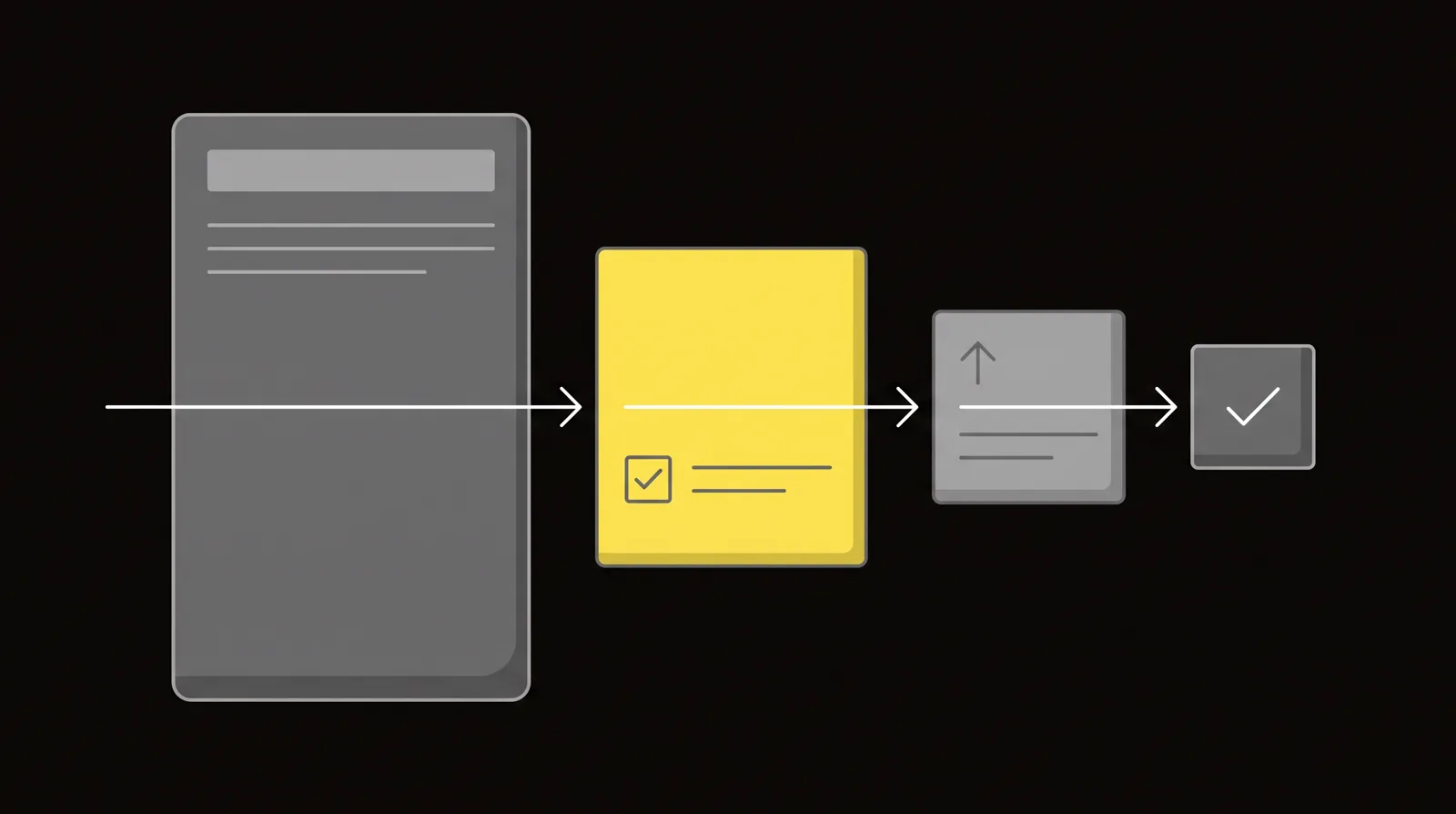
A typical sales funnel has four stages. First, a landing or sales page presents one offer and asks for one action. Then an order form or checkout collects payment, often with an order bump that adds a related product for a single tick. Next, a one-click upsell offers something more without asking for card details again, sometimes with a downsell if the buyer declines. Last, a confirmation page delivers what was bought and can point to the next step. A sales funnel builder gives you every one of those stages in a single place.
Each stage is narrower than the one before it: a landing page, a checkout with an order bump, a one-click upsell, then confirmation.
A sales funnel builder is not the same as a website builder, a page builder or an online store, and the difference is what people usually mean when they ask what the term stands for. A website builder makes a site people browse, with a menu and many paths through it. A page builder makes individual pages but leaves the checkout and the flow between them to you. An ecommerce storefront like Shopify or WooCommerce is built to show a catalog and let a shopper drop several items in a cart. A sales funnel builder does the opposite of all three: it removes choices, points every visitor down one path, and hosts the checkout at the end of it. That focus is why direct-response sellers running paid traffic reach for one.
You will also see the phrase marketing funnel, which describes the whole journey from a stranger first hearing of a brand to becoming a customer. A sales funnel is the last part of that journey, the stretch where a warmed-up visitor decides to buy. A sales funnel builder is the software that owns that stretch, so the two terms point at the same tools.
For paid traffic, the parts of a sales funnel builder that matter most are the checkout (order bumps, one-click upsells, subscription billing), split testing that does not disturb the ad platform, and how payments are processed and routed. Those are the features the ranking above weighs, and they are what separate a tool built for cold clicks from one built for a warm email list.
One name you may be weighing does not appear above on purpose. A Merchant-of-Record platform like Paddle sells software and digital products and handles your sales tax for you, but it is a different category from the checkout and funnel tools ranked here, and its own rules turn away physical goods, supplements and business opportunities. We review it separately.
The same goes for a creator-commerce platform like Gumroad. It is the simplest way to start selling a digital product and, like Paddle, is now a merchant of record that handles your tax, but it charges a flat 10% per sale, offers no split testing or payment routing, and bans physical goods and most high-risk offers. It answers a different question from the tools ranked here, so we cover it in its own review.
A coaching and course platform like Kajabi is also left off the ranking on purpose. It puts courses, community, email and checkout under one login and is genuinely good at that, but its checkout runs a single processor with no same-URL split testing and no payment routing, so it is built for coaches selling to a warm audience rather than media buyers running paid traffic. We review it separately.
A business-automation platform like Ontraport is left off the ranking for the same reason as Kajabi. It runs a small business's CRM, marketing automation, payments and website on one customer record, and it is genuinely good at that, but its checkout is single-processor with no same-URL split testing and no payment routing, so it is built for following up with a list rather than scaling cold paid traffic. We review it separately.
And a merchant of record like Lemon Squeezy, now owned by Stripe, is the tidiest way to sell software or a digital product with sales tax handled for you. Like Paddle it is a tax-and-billing layer, not a funnel: no same-URL split testing, no routing across merchant accounts, and a hosted no-code checkout rather than one you tune for cold traffic. It answers a different question from the tools ranked here, so we cover it in its own review.
A third merchant of record, FastSpring, sits in the same bucket as Paddle and Lemon Squeezy. It has run since 2005 and handles global payments, subscriptions and worldwide tax for software, games and digital products, but it is digital-goods only, it is the single processor on every sale, and it has no same-URL split testing, so it does a different job from the checkout and funnel tools ranked here. It is also the only one of the three that does not publish a price. We cover it in its own review.
One more name belongs in this list rather than the ranking above. ClickBank is an affiliate marketplace and merchant of record, not a funnel builder: it lists your direct-response offer to a large pool of affiliates and handles the payment, tax and payouts, but it has no page builder, no same-URL split testing and no routing across your own merchant accounts. It answers a different question from the tools ranked here, so we cover it in its own review.
Its European counterpart, Digistore24, sits in the same bucket. It is an affiliate marketplace and reseller of record with a cart builder and split testing on top, but it is still the single processor on every sale and the legal seller of record, so there is no routing across your own merchant accounts and the buyer is contractually its customer rather than yours. It answers a different question from the tools ranked here, so we cover it in its own review.
A third marketplace belongs in this list rather than the ranking above. BuyGoods is a curated performance marketplace and merchant of record for health and wellness offers: it lists supplement and wellness campaigns to experienced affiliates and handles the checkout, tax and payouts, but there is no page builder, no same-URL split testing and no routing across your own merchant accounts, and you cannot even join without a referral or a proven track record. It answers a different question from the tools ranked here, so we cover it in its own review.
A different kind of name belongs in this list rather than the ranking above. MaxWeb is not a checkout or a funnel builder at all. It is a CPA affiliate network for health and wellness offers: advertisers list a video sales letter and affiliates drive traffic to it for a one-time payout per customer. It is a demand and distribution layer, not software you build pages in or a checkout you can split-test and route across your own merchant accounts. It answers a different question from the tools ranked here, so we cover it in its own review.
One heavyweight is left off the ranking for a different reason. Konnektive is a direct-response CRM that routes payments across many merchant accounts and runs subscriptions, fulfillment and a call center behind your funnel, which is exactly what a high-volume nutra or high-risk seller needs. We keep it out of a ranking built on price and free trials because it publishes neither: you cannot see a price or open an account without booking a demo. It earns a full write-up on its own review.
A do-everything platform like Builderall is left off the ranking for a different reason again. It bundles a website and funnel builder, email, a checkout, courses, webinars and a CRM into one cheap subscription, which is a real draw for a solo operator, but the individual tools run shallower than dedicated ones and reviewers report weekly outages, so it is not a platform we would point ad spend into. It suits a budget-minded beginner selling to a warm audience rather than a media buyer, so we cover it in its own review.
A mobile-first funnel builder like Perspective is left off the ranking for a different reason again. It builds fast, interactive, phone-shaped funnels that are genuinely good at the top of a paid-social campaign: a quiz, a lead magnet, an appointment or a job application a cold click can finish on a phone. We keep it out of a ranking built for scaling a checkout because that is not its job. Its payment block sells a simple offer, but it has no order bumps or one-click upsells, no same-URL split testing, and no routing across merchant accounts, so it is a lead-capture front end rather than a checkout you own. We cover it in its own review.
A speed-first builder like Convertri is left off the ranking for a narrower reason. It builds landing pages and funnels that load fast, with a built-in checkout, order bumps and one-click upsells, and for an affiliate or agency running paid search to landing pages that speed is a real edge. We keep it out of a ranking built for scaling paid traffic because its split testing runs on separate URLs rather than under one, its checkout uses a single processor with no routing across merchant accounts, and its support and reliability draw mixed reports. It earns a full write-up in its own review.
Its old rival sits in the same bucket. Sticky.io, the rebranded LimeLight CRM, routes payments across 160-plus gateways, runs continuity billing, and salvages failed rebills with an AI recovery engine, the same routing-and-recovery job Konnektive and Checkout Champ are built for. It publishes a price, unlike Konnektive, but that price starts at $499 a month plus a share of every sale and comes with no free trial, so it is a platform for an established high-volume subscription brand rather than a first pick for a seller choosing a checkout. We cover it in its own review.
Frequently asked questions
What is the best checkout software for paid traffic?
For a team running paid traffic, ElasticFunnels is the pick because it split-tests whole checkouts under one URL and splits sales across several merchant accounts on the same data layer. SamCart is the best standalone checkout if you only want a fast pay page, and ClickFunnels is the easiest starting point for a first funnel.
Do any of these route payments across multiple merchant accounts?
Of this shortlist, ElasticFunnels and Checkout Champ are the two built for multi-MID routing: ElasticFunnels on one data layer with same-URL split testing, Checkout Champ across 270-plus gateways for high-volume brands. ClickFunnels, SamCart, ThriveCart, GoHighLevel, Kartra and Systeme.io connect a processor but are single-MID by default, so high-risk sellers spreading volume across accounts will outgrow them.
Which is cheapest?
Systeme.io is the cheapest headline by far: it has a permanent free plan and paid tiers from $17 a month, though it lacks the same-URL split testing and payment routing a paid-traffic seller leans on. Among the tools built for that job, ThriveCart is cheapest over time because Standard is a one-time $495 license, though the affiliate center and advanced features are Pro+ at $295 a year. Kartra advertises a $59 monthly headline, but that plan charges a 5% fee on your sales and caps you at one product, so its real starting tier is Starter at $119. SamCart Core starts at $79 a month, and ElasticFunnels, ClickFunnels and GoHighLevel start at $97 a month.
Can I split-test a checkout without hurting my ad performance?
Only if the test runs under one URL. Redirect-based A/B tests can reset an ad platform's optimisation and can trip ad review. Same-URL, server-side rotation avoids both, which is why it is the feature paid-traffic teams switch for.
Changelog
4 October 2026 – Added a Perspective review and noted why this mobile-first lead-gen funnel builder sits outside the ranking, after verifying its pricing and features against the vendor's own pages.
3 October 2026 – Added an Ontraport review and noted why it sits outside the ranking, after verifying its pricing and features against the vendor's own pages.
28 September 2026 – Expanded the definition section to answer what a sales funnel builder is, how its stages work, and how it differs from a website builder, a page builder and a storefront.
28 September 2026 – Added Systeme.io to the ranking at #9, the budget all-in-one pick, after verifying its pricing and features against the vendor's own pages.
27 September 2026 – Added PayKickstart to the ranking at #7, after verifying its pricing and features against the vendor's own pages.
28 September 2026 – Added Checkout Champ to the ranking at #2, after verifying its pricing and features against the vendor's own pages.
27 September 2026 – First published. Prices verified against every vendor's pricing page.