Chargeback management software for high-risk merchants: keep the MID, refund before the dispute posts
High-risk sellers protect their merchant accounts by buying chargeback tools in the order the card networks count disputes: watch the ratio per card brand, add Ethoca and Verifi alerts so you can refund before a dispute posts, then pay for representment on whatever still gets through. Chargeflow is the self-serve route to alerts and automated responses at a published price, and Chargebacks911 is the managed route when you want someone else to run the program.
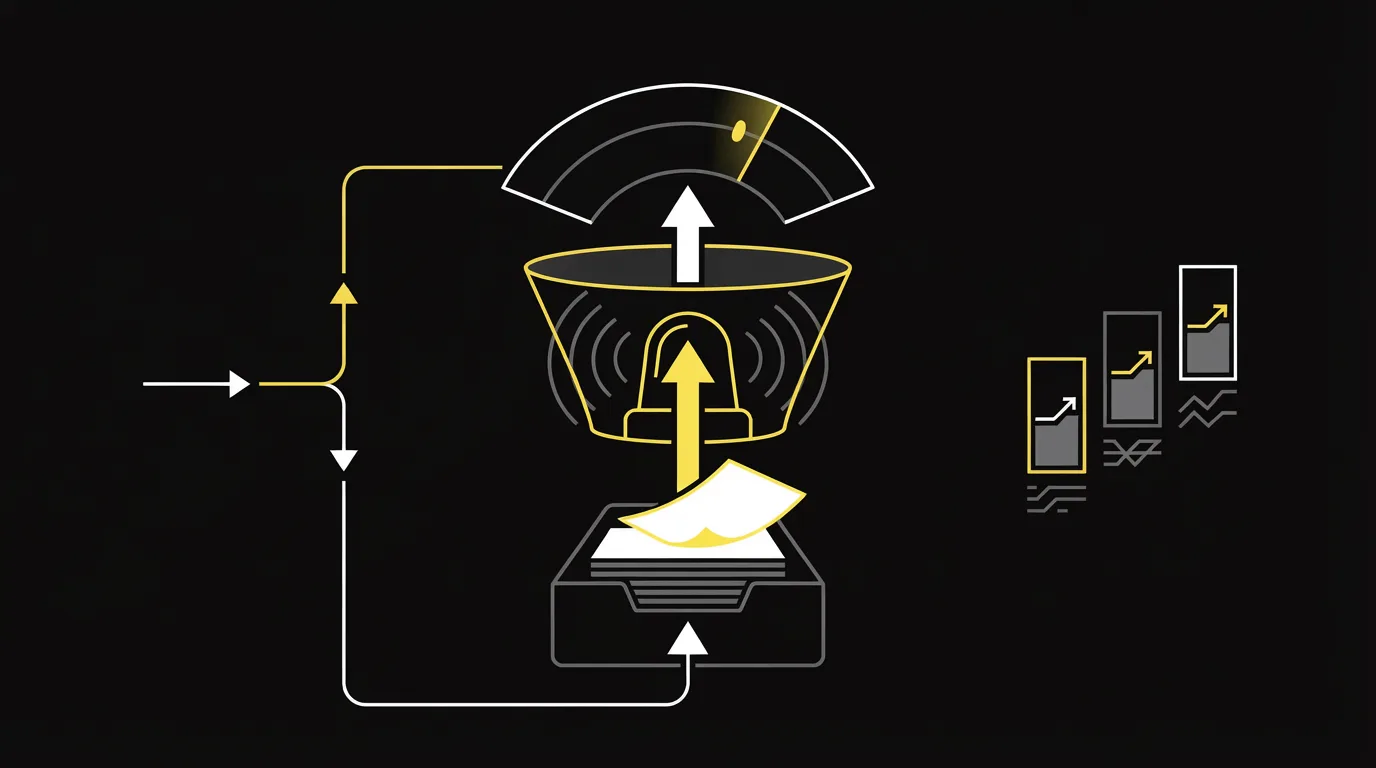
Before you pay for a single alert, run last month's numbers through our chargeback ratio calculator. How close you are to Visa's and Mastercard's thresholds decides how much prevention you need to buy. If those disputes already sit across several accounts, the MID capacity planner shows how many accounts the month's volume and the network counts imply.
Why chargebacks decide whether you keep your MIDs
A chargeback costs you the sale and a fee, and it adds one to the count your processor reports to the card networks. That count is what gets an account reserved, repriced or closed, which is why it belongs on the same desk as your high-risk merchant account and never only in the support queue.
The ratio is also not one number. Sticky.io's guide to chargeback ratios and VAMP points out that each network looks only at the sales made on its own cards. A healthy blended figure can hide a Mastercard ratio that is already over the line.
Mastercard adds a quirk that catches direct-response sellers. It divides this month's chargebacks by last month's number of sales, so a store that scales ad spend after a quiet month is judged against the lower-volume month. The disputes from the scale-up land on a denominator that never saw those orders.
The same guide sums up Visa's newer program in one line: under VAMP, prevention matters more than recovery. A dispute you win can still count against you. A dispute that never posts cannot.
The three layers of chargeback prevention
Most "chargeback software" is one of three different products, priced in three different ways. Buy the wrong layer and you pay for work that does nothing for your ratio.
- Inquiries. The issuer shows the cardholder what they bought before they file. Ethoca's Consumer Clarity sends recognizable purchase details into banking apps, so a buyer who forgot a rebill can see the product name instead of calling the bank. Chargebacks911 sells this layer as data-based prevention.
- Alerts. You get notice that a dispute is coming and a short window to refund. Refund in time and the case closes without a chargeback. Ethoca says its alerts let merchants stop fulfillment, issue refunds and reduce the likelihood of chargebacks.
- Representment. After a chargeback posts, you send evidence to win the money back. This is the layer most vendors price on wins.
Merchants on r/MerchantServices keep the last two apart for a good reason. In one thread on whether mitigation works, the point made is that Verifi helps you refund before a dispute reaches your record and does nothing to help you win one. If your ratio is the worry, the money goes to alerts first.
Ethoca and Verifi alerts: what you are actually buying
Chargebacks911's alerts guide names the two primary alert products on the market: Verifi CDRN and Ethoca Alerts. Ethoca is Mastercard's network of issuers, acquirers and merchants. Verifi runs the Visa-side programs, including CDRN and RDR. Its comparison table gives Ethoca a response window of 24 hours and CDRN up to 72 hours.
Those windows are why few sellers run alerts by hand. Someone has to match each alert to an order and refund it every day, weekends included, and a missed one becomes a chargeback anyway. Resellers sell the automation around the networks: matching, refunding and stopping the shipment.
Pick the network by card mix. A common rule among merchants is to match Ethoca to Mastercard and international cards, and Verifi CDRN or RDR to Visa and US cards. Chargebacks911 recommends both for high-risk verticals, and a continuity offer taking real volume on both brands usually needs both.
Treat big prevention claims with suspicion. Stripe merchants on Reddit point out that most alert apps resell the same two networks, so a reseller that promises to stop nearly every dispute is selling marketing. Compare resellers on price per alert, how fast they refund, and whether they skip alerts on orders you already refunded.
Three chargeback providers compared
These three sit at different points between doing it yourself and handing it over. They are not ranked, because they solve different parts of the problem. Facts come from each vendor's own pages, following our research method.
Ethoca Alerts and Consumer Clarity
- Owner
- Mastercard
- Products
- Alerts, Consumer Clarity
- How you get it
- Through your acquirer or a reseller
Ethoca is the network, not a dashboard you log into each morning. You reach it through your acquirer or through a reseller such as the two below, so your real decision is who connects you and how much automation sits on top. Its Consumer Clarity layer is worth asking about if your descriptor confuses buyers, because it works before an alert would even fire.
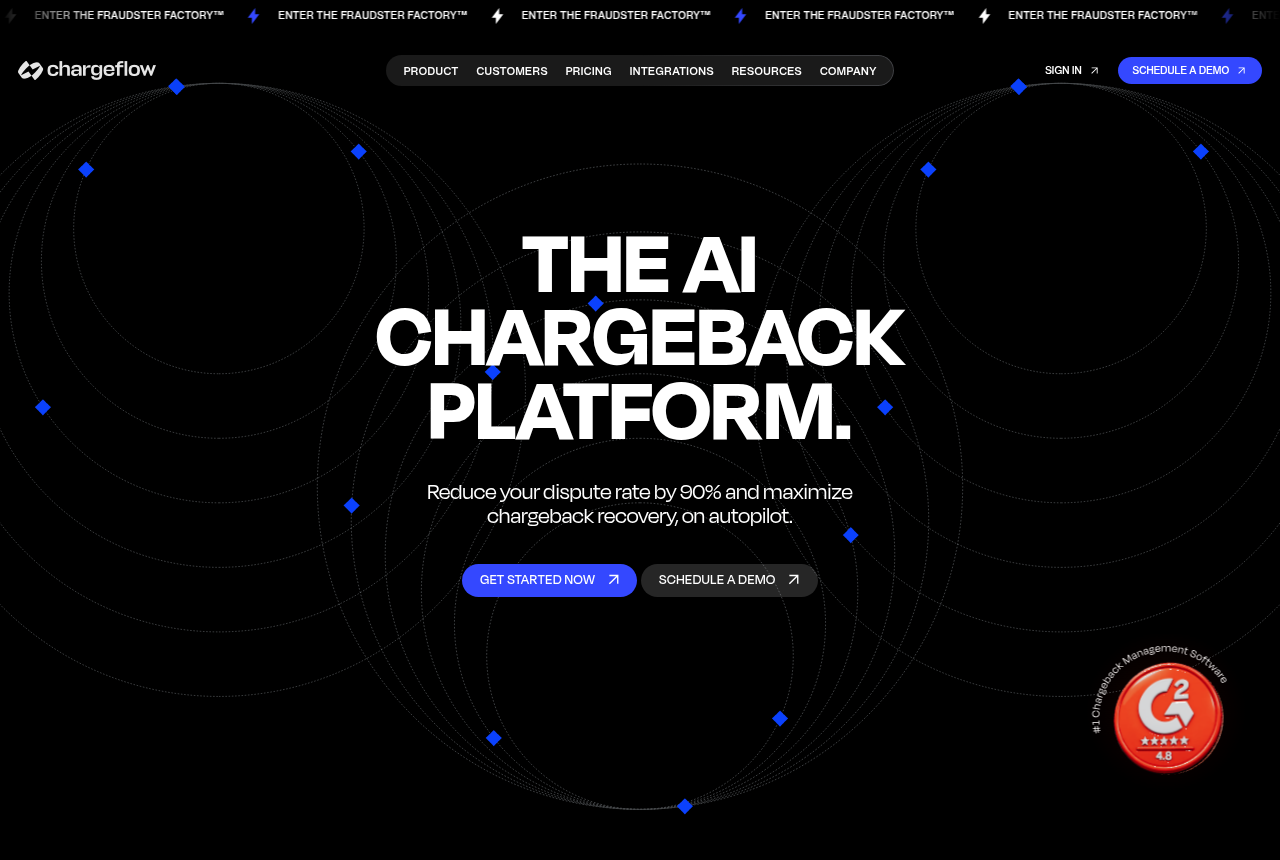
Chargeflow
- Prices read
- 28 Oct 2026
- Alerts
- $29 per deflected chargeback
- Automation
- 25% of each recovered chargeback
- Prevent
- $0.10 per scanned transaction after the first 1,000
- Networks
- Verifi, Ethoca, Chargeflow Network
Chargeflow publishes its prices, which is rare in this market. Its Alerts page says you are only charged when an alert actually stops a dispute, and that it refunds every matched alert within 24 hours of receipt. Automation, its representment product, takes a share of what it wins and nothing upfront. The Chargeflow review covers the Shopify invoices that do not match the public alerts rate, and the split in reported win rates.
The catch is ticket size. The per-deflection fee is flat, so on a low-priced trial or front-end offer you refund the order and still pay more than the order was worth. That trade makes sense when you are close to a threshold and expensive when you are not.
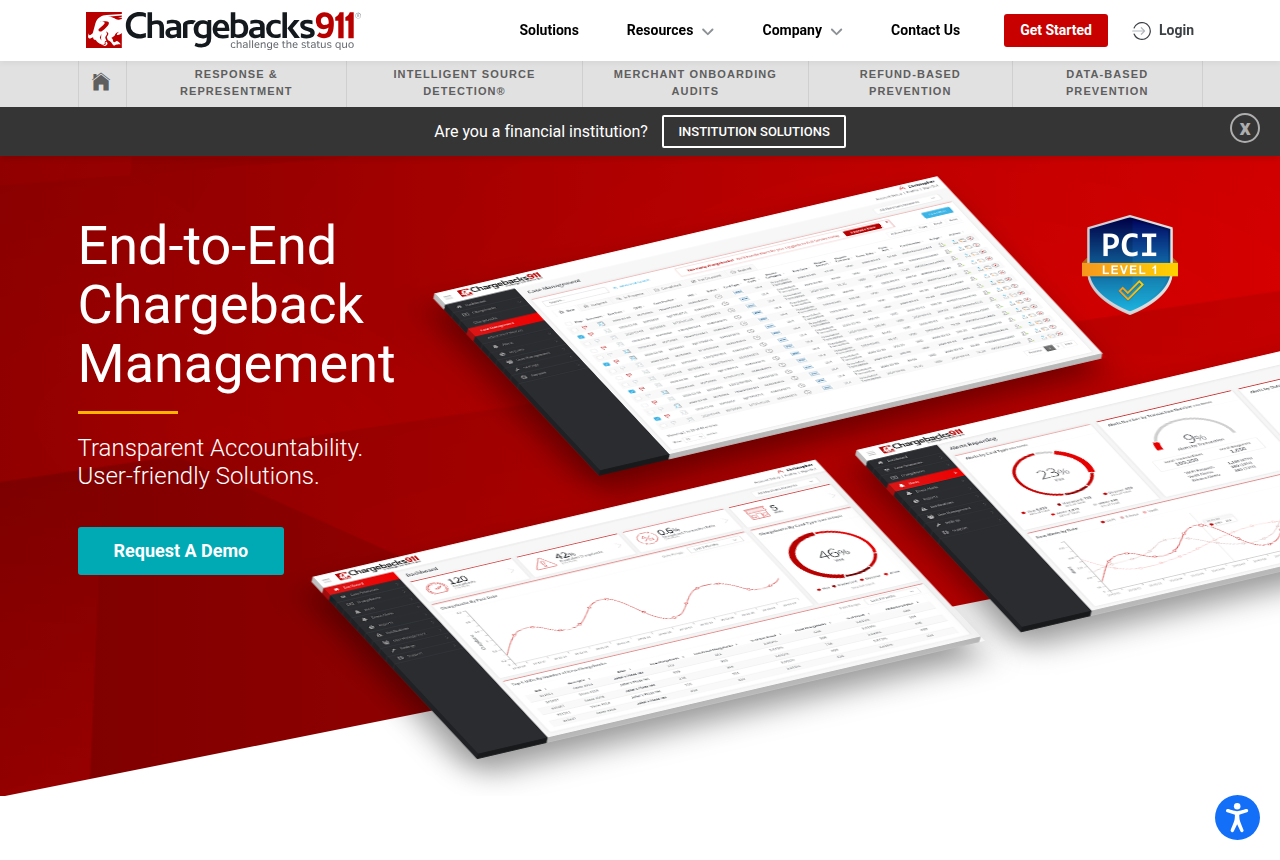
Chargebacks911
- Prevention
- Refund-based alerts and data-based inquiries
- Recovery
- Response and representment
- Also
- Intelligent Source Detection, onboarding audits
- Pricing
- Quote after a demo
Chargebacks911 sells a managed program in two layers, prevention and representment, plus source analysis that tries to find out why disputes happen. Its own prevention guide says alerts give up to 72 hours of notice and claims a 20 to 40% immediate cut in chargeback volume once they are switched on. That is the vendor's figure, and no independent benchmark backs it.
There is no public price list, so the only way to compare it is to get a quote. Ask for the per-alert rate, the share of recovered revenue and any monthly minimum in writing before you sign.
If you already run a direct-response CRM
Check what your order platform includes before buying a separate tool. Konnektive's homepage lists chargeback management alongside its multi-MID routing, covered in our Konnektive review. Sticky.io's Revenue Recovery lists fraud and chargeback protection with VAMP-aware monitoring and MID health alerts, which our Sticky.io review covers. If your CRM already watches the ratio per MID, you may only need the alert layer on top.
Objections before you buy chargeback alerts
"Alerts cost more than the disputes they stop." On a single order they can. Weigh the fee against what an account in a monitoring program costs you: higher fees, a reserve, or a closed MID with your rebills on it. Practitioners in the r/MerchantServices thread put it bluntly: valuable at high volume and high risk, likely overkill at low volume.
"My processor already sends me alerts." Then ask exactly which programs it enrolls you in before adding a reseller. Two providers on the same network can mean two fees for one dispute, and a refund issued twice.
"The software will win my disputes for me." Representment priced on wins costs nothing when it loses, and it promises nothing either. Clean evidence, delivery proof and clear subscription terms at checkout decide most cases.
My take
I'd start with the boring fixes: a billing descriptor that names the brand, a refund button buyers can find, and a support inbox that answers within a day. Then I'd check the ratio per network every month. Once Visa or Mastercard volume puts you within sight of a threshold, I'd switch on Ethoca and Verifi through one provider. Chargeflow suits you if you want to see the price first, and the Chargeflow review is where the invoice complaints and the win-rate split are written out. Chargebacks911 suits you if you want a team on it. Representment comes last, for disputes big enough to be worth fighting.
Your next step
Find out where you stand before you buy anything. Check your chargeback ratio against Visa and Mastercard: if you are under the warning lines with room to spare, fix support and descriptors first, and if you are close, alerts on both networks are the purchase to make this month.
Frequently asked questions
Do chargeback alerts stop the dispute from counting?
Should I enroll in Ethoca or Verifi?
Is chargeback software worth it at five disputes a month?
Written by
Last checked 2026-10-14
Comments
No comments yet. Questions and your own experience are welcome.
Thank you. Your comment will appear once it has been reviewed.