ClickBank vs BuyGoods
Pick ClickBank if you want the deepest, most open pool of US affiliates behind a direct-response digital or supplement offer, with a published cut and no gate to get started; pick BuyGoods if you are an experienced health and wellness marketer with the volume to pass its application and you want a curated, high-payout marketplace that pays affiliates weekly.
By Marcus Reyes, Editor. Updated 09/29/2026.
Quick answer
ClickBank is our top pick for most people. ClickBank is the pick if you sell a direct-response digital or supplement offer and want an army of affiliates promoting it with the merchant and tax work handled for you. It is real, it has paid on time since 1998, and it takes nothing until you make a sale. The catch is what it is not. ClickBank is an affiliate marketplace and merchant of record, not a funnel builder: you host your own sales page, you cannot split-test the checkout under one URL or route payments across your own merchant accounts, and its 7.5% plus $1 cut, refund clawbacks and dormant-account fees are real costs. For running affiliates it is proven. For building and tuning your own paid-traffic funnel, it is the wrong tool.
- ClickBank. Best for direct-response digital and supplement offers that want a built-in affiliate army. Has a free tier.
- BuyGoods. Best for experienced health and wellness affiliates and vendors who want a curated, high-payout marketplace.
Side by side
| ClickBank | BuyGoods | |
|---|---|---|
| From | 7.5% + $1 per sale | Cut quoted per vendor |
| Same-URL split test | No | No |
| Multi-MID routing | No | No |
| Order bumps & upsells | Yes | No |
| Free trial | Free to join | Free to join |
ClickBank: strengths and trade-offs
What works
- It is proven and it pays. ClickBank has run since 1998 and says it has paid more than $7.3 billion in commissions on time across its whole history, with twice-weekly payouts. For a network that holds your money before it reaches you, that track record is the thing that matters most.
- Real access to affiliates. Its marketplace connects sellers with more than 100,000 active affiliates, concentrated in the health, supplement and make-money niches where direct-response offers live. That is a customer-acquisition channel you cannot buy off the shelf.
- The merchant and tax work is handled. As the retailer of record, ClickBank processes every order, calculates and remits sales tax and VAT, pays your affiliates and splits commissions in real time, so you are not standing up your own billing, tax and affiliate-payout stack.
- Nothing to pay until you sell. Signing up is free, affiliates join free, and there is no monthly subscription. Sellers pay a one-time $49.95 fee only when their first product is approved, then ClickBank earns only when you do.
What to watch
- It is not a funnel builder. ClickBank has an order form with bumps and upsells, but no page builder, no same-URL split testing and no routing across your own merchant accounts. You build and tune the sales page elsewhere, and ClickBank is the single processor, so a media buyer who wants to test whole checkouts and spread volume across merchant accounts will not get that here.
- The cut adds up. ClickBank keeps 7.5% + $1 on every sale, takes $5 from each payout, and charges the one-time $49.95 approval fee. Because it runs a buyer-friendly 60-day refund window as merchant of record, refunds and chargebacks claw commissions back out of your account, which bites hardest in refund-heavy niches.
- Dormant-account fees catch you if you stop selling. An account with a balance but no sales for 90 days is charged $1 per pay period, rising to $5 after 180 days and $50 after 365, and ClickBank does not send a notification. With a default $100 payout threshold on top, a small balance can quietly erode, so lower your threshold and clear your balance if you go quiet.
- Marketplace quality is uneven. The loose product-approval process that makes ClickBank easy to list on also means strong offers sit beside hyped, low-quality ones, especially in weight-loss and make-money niches. Sellers and affiliates both have to vet what they list beside or promote, and the association is a reputational cost some brands would rather avoid.
BuyGoods: strengths and trade-offs
What works
- It is real and it pays, often. BuyGoods says it has paid more than $3 billion in commissions to over 90,000 affiliates and vendors across 110-plus countries, and it pays affiliates weekly, up to three times a week at higher volumes. One Affpaying reviewer sums up the experience the platform trades on: payments are never a headache and arrive within the agreed timeframe with no need to chase anyone.
- A curated, high-intent marketplace for one niche. Because BuyGoods is application and referral only, the affiliate pool skews experienced and the offers skew high-converting. For a supplement or wellness vendor, that is direct access to marketers who already know the verticals and GEOs, which is a customer-acquisition channel you cannot buy off the shelf.
- The merchant-of-record work is handled for you. As the legal seller, BuyGoods runs the checkout, processes the payment, remits sales tax, manages refunds inside the 60-day window and pays your affiliates, with instant global payouts. You are not standing up your own billing, tax and affiliate-payout stack, and reviewers single out the support team and dedicated account managers for responsiveness.
- Real conversion tooling, not just a directory. BuyGoods gives vendors a conversion-optimized checkout, A/B split testing on offers, real-time analytics and a landing-page generator that integrates with ClickFunnels, plus an API and XML feed to sync live campaign data. It is built for people already running paid traffic to supplement funnels.
What to watch
- It is not a funnel builder, and you do not own the checkout. There is no page builder, no same-URL split testing and, as merchant of record, a single processor on every sale with no routing across your own merchant accounts. A media buyer who wants to test whole checkouts under one URL and spread volume across several merchant accounts will not get any of that here, and will build the funnel itself in another tool.
- You cannot just sign up, and it is one niche only. BuyGoods is application and referral only, every affiliate is manually reviewed, and it is a poor fit for a beginner without a documented traffic history. It is also health and wellness first, so a seller in another vertical is in the wrong marketplace.
- Buyer-side complaints attach to the platform, and to your offer. Because BuyGoods is the seller of record, end-customer complaints about charges, refunds and cancellations land on its name, which is the name on the buyer's card statement. The Better Business Bureau issued a pattern-of-complaints finding against BuyGoods in December 2025, it is not BBB-accredited, and consumer boards carry hundreds of billing and refund complaints. Some of that is the nature of aggressive supplement funnels rather than BuyGoods itself, but a brand that guards its reputation should know it is sharing that name.
- The cost is opaque, and part of your money is held back. BuyGoods publishes no fee schedule, so the vendor cut is quoted case by case and affiliate commissions come out on top. Reviewers report a rolling reserve of roughly 10% of sales held against refunds and chargebacks and released months later, so price your margin and plan your cash flow with a hold in mind.
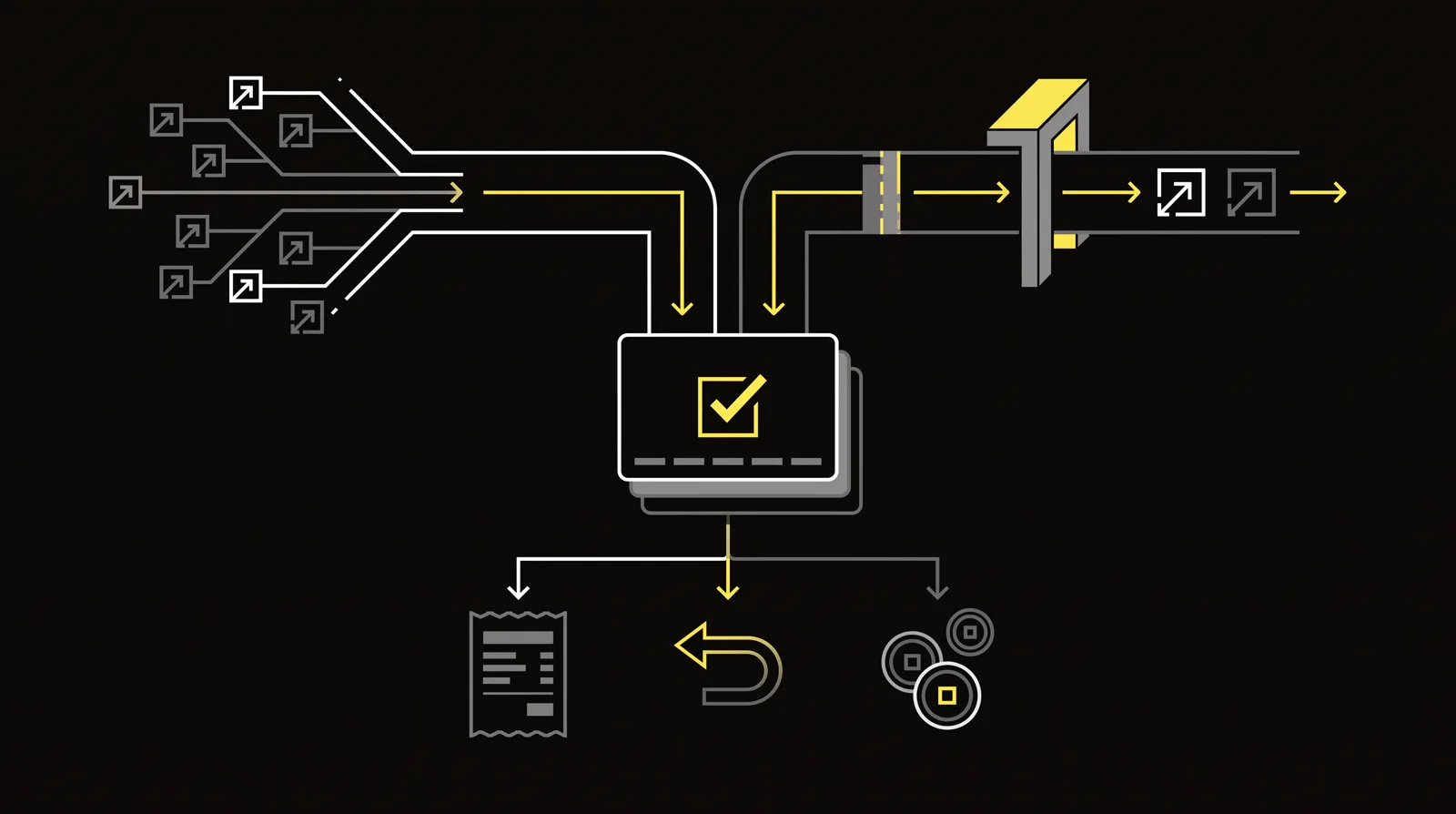
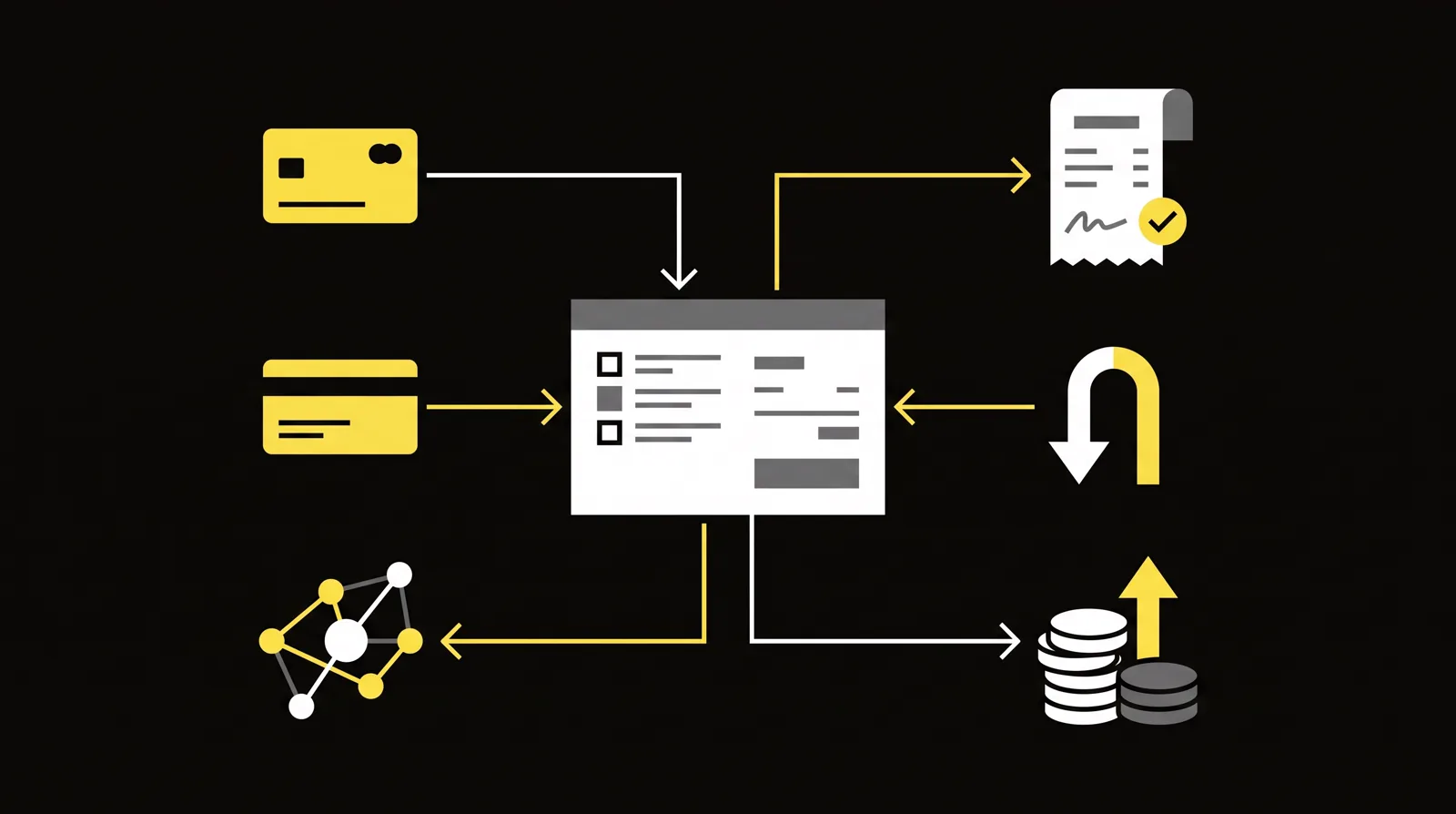
ClickBank and BuyGoods are the same kind of business wearing different doors. Both are affiliate marketplaces bolted to a merchant of record: you list a direct-response offer, they process the payment, calculate and remit the tax, run the affiliate program and pay everyone out, and they take a cut of each sale instead of a monthly fee. Neither builds your funnel, and neither is a checkout you own. So if you are down to exactly these two, the decision is not about a single feature. It is about who can get in the door, where the affiliates are, what your offer sells, and what the cut and the holds cost you at your volume.
What they have in common
Start with the parts that do not separate them, because there are more than you might think. Both are free to join for approved sellers and affiliates, and both take nothing until you make a sale. Both are the legal seller of record, which means their name, not yours, is the merchant on the buyer's card statement, and they handle sales tax, VAT, invoicing, refunds and chargebacks. Both have paid reliably for a long time: ClickBank since 1998, with more than $7.3 billion in commissions paid across its history; BuyGoods since around 2016, with more than $3 billion paid to over 90,000 affiliates and vendors across 110-plus countries. Both run a real affiliate network concentrated in the health, supplement and direct-response niches where these offers live. And both leave the same two gaps for a paid-traffic seller: each is the single processor on every order, so you cannot route volume across your own merchant accounts, and the buyer is contractually their customer, not yours.
Where ClickBank wins
ClickBank's advantage is reach and open access. Its marketplace connects sellers with more than 100,000 active affiliates, heavily concentrated in the US health, supplement and make-money-online niches, and that is a customer-acquisition channel you cannot buy off the shelf. It is also the easier of the two to start on: you sign up free, and you pay a one-time $49.95 fee only when your first product is approved, with no track record required to list. It takes digital products as readily as supplements, so it is broader than a nutra-only network, and its cut is published, so you can price an offer before you launch it. It pays twice a week, and its name carries recognition with US affiliates that BuyGoods has not built on that side of the market.
The trade-off is what ClickBank does not do and what it costs. It has an order form with bumps and one-click upsells, but no page builder and no split testing of any kind, so you build and tune the sales page somewhere else. The fees stack: 7.5% plus $1 on every sale, $5 taken from each payout, the one-time $49.95 approval fee, and dormant-account fees that quietly erode a balance if you stop selling for 90 days or more. The 60-day buyer refund window it runs as merchant of record is generous to buyers and claws commissions back out of your account, which bites hardest in refund-heavy niches. And because listing is open, marketplace quality is uneven: strong offers sit beside hyped, low-quality ones, and the association is a reputational cost some brands would rather avoid.
Where BuyGoods wins
BuyGoods is the stronger choice for an experienced health and wellness marketer who already has volume. It is application and referral only, every affiliate is manually reviewed, and the effect of that gate is a curated pool: the affiliates skew experienced and the offers skew high-converting. For a supplement or wellness vendor, that is direct access to marketers who already know the verticals and the GEOs, rather than a crowd you have to filter. It pays affiliates weekly, up to three times a week at higher volume, which is faster than ClickBank's twice-weekly cycle, and reviewers single out the support team and dedicated account managers for responsiveness. One Affpaying reviewer sums up the experience the platform trades on: payments are never a headache and arrive within the agreed timeframe with no need to chase anyone.
The trade-off is the gate itself and what comes with it. You cannot simply sign up, so BuyGoods is a poor fit for a beginner without a documented traffic history, and it is health and wellness first, so a seller in another vertical is in the wrong marketplace. Because BuyGoods is the seller of record, buyer-side complaints about charges, refunds and cancellations land on its name, and the Better Business Bureau issued a pattern-of-complaints finding against it in December 2025; it is not BBB-accredited, and consumer boards carry hundreds of billing and refund complaints. Some of that is the nature of aggressive supplement funnels rather than BuyGoods itself, but a brand that guards its reputation should know it is sharing that name.
Pricing, side by side
Neither charges a monthly fee, so the comparison is entirely about the per-sale cut and the fees and holds around it. ClickBank keeps 7.5% plus $1 per sale, takes $5 from each payout, and charges a one-time $49.95 approval fee, with dormant-account fees on top if you go quiet. Every number is published, so you can build the whole cost into your margin before you launch. BuyGoods is the opposite: it publishes no fee schedule at all, so the vendor cut is quoted case by case and affiliate commissions come out on top of that. The vendor says commissions average $50 to $100 per sale, but the split you will actually pay is not visible until you are quoted. Reviewers also report a rolling reserve of roughly 10% of sales held against refunds and chargebacks and released months later, so plan your cash flow with a hold in mind. The honest summary is that ClickBank you can model in advance and BuyGoods you cannot, and at any real volume both take a meaningful bite. Price the offer with all of it built in before you compare.
If you want to own the funnel: a third name to weigh
Both of these platforms make the same trade you may not want to make. Because each is the reseller and the single processor, you cannot split-test whole checkouts under one campaign link, you cannot route payments across your own merchant accounts, and the customer belongs to the platform rather than to you. For a seller who buys media at volume and wants to own that relationship, those absences are worth weighing a different kind of tool against, and they are what ElasticFunnels is built around. Its lead feature is same-URL split testing: variants rotate server-side under one campaign link, so Meta, Google and TikTok keep their optimisation and a new test never sends the ad back through review. It builds the pages, with an AI builder that generates one from a prompt or clones one from a URL, and it hosts the checkout with order bumps, one-click upsells and subscriptions, and it can route payments across several merchant accounts, which neither ClickBank nor BuyGoods can do. The click, the order, the rebill and the refund land on one timeline alongside a CRM and attribution, so nobody reconciles exports to see which angle actually made money.
The honest catch is age. ElasticFunnels is newer than either ClickBank or BuyGoods, and there is very little independent third-party review coverage to check its claims against, so until you push real volume through it you are largely taking the vendor's word for it. That is what you would expect of a platform this recent, and it is the one place these two marketplaces' long track records count for more. It is also why the trial matters here: the 14-day trial needs no credit card, so you can prove the split testing and the checkout on your own traffic before you move any spend. Pricing is flat and public at $97, $197 and $497 a month, with every feature on every plan and the tiers differing by traffic. EF-hosted checkouts carry a 0.5% fee on the revenue routed through them, and sales you run on outside networks like ClickBank and BuyGoods are not charged, so it can sit alongside a marketplace rather than replace it outright. What it does not hand you is a built-in affiliate network the way these two do, so a seller whose growth depends on recruiting affiliates will still want one of these marketplaces for that side of the business. You keep the pages, the same-URL split testing and the multi-MID checkout regardless, and our ElasticFunnels review has the rest.
The short version
These two are the same shape of business built around different doors, so the two-way answer holds. Pick ClickBank if you want the deepest, most open pool of US affiliates behind a direct-response digital or supplement offer, with a published cut and no gate to get started; it is our pick between the two and the right default for most sellers getting an offer off the ground. Pick BuyGoods if you are an experienced health and wellness marketer with the volume to pass its application, and you want a curated, high-payout marketplace that pays affiliates weekly. And if the real constraint is that you want to own the checkout, split-test it and route your own payments, that is the signal to look past both before you commit. All of them, and the rest of the field, are in the full ranking, with the method behind it on how we research.
Our pick
ClickBank
ClickBank is the pick if you sell a direct-response digital or supplement offer and want an army of affiliates promoting it with the merchant and tax work handled for you. It is real, it has paid on time since 1998, and it takes nothing until you make a sale. The catch is what it is not. ClickBank is an affiliate marketplace and merchant of record, not a funnel builder: you host your own sales page, you cannot split-test the checkout under one URL or route payments across your own merchant accounts, and its 7.5% plus $1 cut, refund clawbacks and dormant-account fees are real costs. For running affiliates it is proven. For building and tuning your own paid-traffic funnel, it is the wrong tool.
Frequently asked questions
Is ClickBank or BuyGoods better for paid traffic?
Which is cheaper, ClickBank or BuyGoods?
ClickBank sources
From ClickBank
Other sources
4 discussions and reviews read for this page. Quotes are excerpts; open a link to read the original in context.
- [clickraven-legit] ClickBank.com Reviews & Legitimacy in 2026
- [tekpon-clawback] ClickBank Reviews 2026: Pricing & Features
- [benguonline-approval] 7 Reasons Why You Should Avoid Clickbank
- [affspace-hyped] ClickBank Affiliate Program: Still Worth It in 2026?
BuyGoods sources
From BuyGoods
Other sources
3 discussions and reviews read for this page. Quotes are excerpts; open a link to read the original in context.
- [affpaying-1] BuyGoods Reviews & Details - Affpaying
- [dailyintel-1] BuyGoods Affiliate Review 2026: Offers, Payments, and Risk
- [bbb-1] BuyGoods, Inc. | BBB Complaints