BuyGoods vs JVZoo
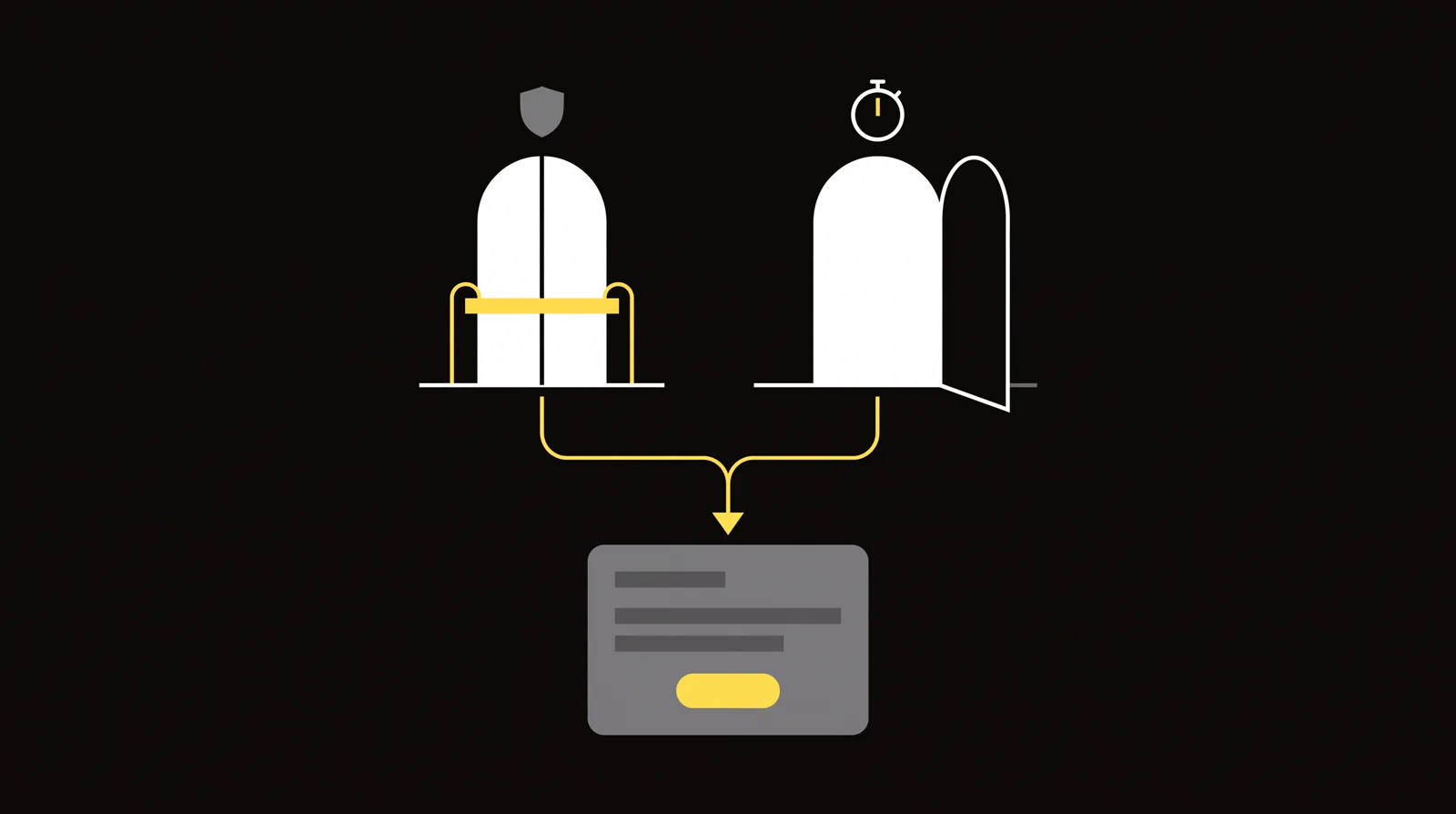
Pick BuyGoods if you are an experienced health or wellness marketer who can pass its application and wants a curated, high-payout marketplace with the merchant, tax and weekly payouts handled for you; pick JVZoo if you sell an internet-marketing, software or make-money launch and want open access, a lower 5% headline fee and affiliates paid the instant a sale closes.
By Marcus Reyes, Editor. Updated 10/02/2026.
Quick answer
ElasticFunnels is our top pick for most people. ElasticFunnels is the pick if you run paid ads and need to test whole checkouts under one URL while sending sales across several merchant accounts.
- ElasticFunnels. Best for paid-traffic funnels where the landing page, the checkout and the sale stay on one customer record. From $97/mo.
- BuyGoods. Best for experienced health and wellness affiliates and vendors who want a curated, high-payout marketplace.
- JVZoo. Best for digital product and software launches built around JV partners, leaderboards, and fast listing.
Pick BuyGoods if you are an experienced health or wellness marketer who can pass its application and wants a curated, high-payout marketplace with the merchant, tax and weekly payouts handled for you; pick JVZoo if you sell an internet-marketing, software or make-money launch and want open access, a lower 5% headline fee and affiliates paid the instant a sale closes.
Side by side
| ElasticFunnels | BuyGoods | JVZoo | |
|---|---|---|---|
| From | $97/mo | Cut quoted per vendor | 5% per sale |
| Same-URL split test | Yes | No | No |
| Multi-MID routing | Yes | No | No |
| Order bumps & upsells | Yes | No | No |
| Free trial | 14 days | Free to join | Free to join |
ElasticFunnels: strengths and trade-offs
What works
- One data layer for the whole funnel: the click, the order, the rebill and the refund sit together on one record, so you can see which ad angle made money without reconciling four exports.
- Same-URL split testing rotates variants server-side under one campaign link, so Meta, Google and TikTok keep their optimization and a test never sends the ad back through review.
- Custom checkouts with order bumps, one-click upsells, subscriptions and multi-MID routing are included across Starter, Growth and Scale. The plans differ by traffic and account limits.
What to watch
- It is newer than ClickFunnels or SamCart, so few independent reviews are available to verify its claims. Until you run real volume through it, you are largely taking the vendor's word for it. That is normal for a platform this new, and the 14-day trial, with no credit card required, lets you try the parts you care about first.
- Hosted checkouts carry a 0.5% fee on processed revenue, on top of the processor's rate. That fee applies to ElasticFunnels checkouts. A sale that goes to another platform or network is billed without it.
BuyGoods: strengths and trade-offs
What works
- It is real and it pays, often. BuyGoods says it has paid more than $3 billion in commissions to over 90,000 affiliates and vendors across 110-plus countries, and it pays affiliates weekly, up to three times a week at higher volumes. One Affpaying reviewer sums up the experience the platform trades on: payments are never a headache and arrive within the agreed timeframe with no need to chase anyone.
- A curated, high-intent marketplace for one niche. Because BuyGoods is application and referral only, the affiliate pool skews experienced and the offers skew high-converting. For a supplement or wellness vendor, that is direct access to marketers who already know the verticals and GEOs, which is a customer-acquisition channel you cannot buy off the shelf.
- The merchant-of-record work is handled for you. As the legal seller, BuyGoods runs the checkout, processes the payment, remits sales tax, manages refunds inside the 60-day window and pays your affiliates, with instant global payouts. You are not standing up your own billing, tax and affiliate-payout stack, and reviewers single out the support team and dedicated account managers for responsiveness.
- Vendors get conversion tooling as well. BuyGoods gives vendors a conversion-optimized checkout, A/B split testing on offers, real-time analytics and a landing-page generator that integrates with ClickFunnels, plus an API and XML feed to sync live campaign data. It is built for people already running paid traffic to supplement funnels.
What to watch
- It is not a funnel builder, and you do not own the checkout. There is no page builder, no same-URL split testing and, as merchant of record, a single processor on every sale with no routing across your own merchant accounts. A media buyer who wants to test whole checkouts under one URL and spread volume across several merchant accounts will not get any of that here, and will build the funnel itself in another tool.
- You cannot just sign up, and it is one niche only. BuyGoods is application and referral only, every affiliate is manually reviewed, and it is a poor fit for a beginner without a documented traffic history. It is also health and wellness first, so a seller in another vertical is in the wrong marketplace.
- Buyer-side complaints attach to the platform, and to your offer. Because BuyGoods is the seller of record, end-customer complaints about charges, refunds and cancellations land on its name, which is the name on the buyer's card statement. The Better Business Bureau issued a pattern-of-complaints finding against BuyGoods in December 2025, it is not BBB-accredited, and consumer boards carry hundreds of billing and refund complaints. Some of that is the nature of aggressive supplement funnels rather than BuyGoods itself, but a brand that guards its reputation should know it is sharing that name.
- The cost is opaque, and part of your money is held back. BuyGoods publishes no fee schedule, so the vendor cut is quoted case by case and affiliate commissions come out on top. Reviewers report a rolling reserve of roughly 10% of sales held against refunds and chargebacks and released months later, so price your margin and plan your cash flow with a hold in mind.
JVZoo: strengths and trade-offs
What works
- It is real and it pays fast. JVZoo has run since 2011, has more than 800,000 affiliates, and has made the Inc. 5000 list of fast-growing US companies four times. Its JVZooPay system pays affiliates automatically the moment a sale closes, so vendors are not chasing commissions and affiliates are not chasing vendors.
- Built-in distribution for a digital offer. List a product and hundreds of thousands of affiliates can find it and start promoting, with leaderboards, contests and JV profit-sharing built around a launch. For an internet-marketing offer, that affiliate pool is a customer-acquisition channel you cannot buy off the shelf.
- Nothing to pay until you sell. Both vendors and affiliates join free, and there is no monthly subscription. JVZoo takes a 5% platform fee on each sale, so it earns only when you do.
- The merchant work is handled, and you can process without your own gateway. JVZoo delivers the product, calculates and applies sales tax and VAT, and runs FTC-compliance reviews on your sales pages. If you have no processor of your own, JVZoo Processing Services lets you take payments through JVZooPay.
What to watch
- It is not a funnel builder. JVZoo advertises drop-and-click funnels, but they are shallow next to a dedicated page builder, and there is no same-URL split testing. It is also the single processor on each sale, with no routing across your own merchant accounts, so a media buyer who wants to test whole checkouts and spread volume across merchant accounts will not get that here.
- The marketplace is unvetted and hype-heavy. JVZoo does not vet products or creators, so the burden of judgment is on you. One reviewer writes that most digital products sold on JVZoo are over-hyped, low-quality software or outdated courses, and another that it is easy to find overhyped, useless offers beside the good ones. Listing here puts your offer in that neighbourhood, and promoting here means vetting everything yourself.
- Refunds and buyer support are hit-or-miss. Aggregated complaint boards cite price, refunds and poor customer service as the top themes across hundreds of reviews, and some buyers describe having to escalate to JVZoo corporate to get a refund, while others report fast help settled within hours. It varies by vendor, because the vendor handles the first line of support on a JVZoo sale.
- Fees stack and refunds bite the affiliate. The 5% platform fee is only the headline. If you use JVZoo Processing Services, processing fees apply on top, and affiliate commissions come out of the sale as well. Affiliates who send refund-heavy traffic face longer hold periods on their commissions as a penalty, and products can disappear without notice and leave dead affiliate links.
- It is younger and narrower than the big marketplaces. JVZoo dates to 2011 and is built around the internet-marketing and make-money niche, so a seller outside that world, or one who wants the broadest, most established affiliate pool, may find ClickBank or Digistore24 a better default.
BuyGoods and JVZoo are the same kind of business built for opposite sellers. Both are affiliate marketplaces bolted to a checkout: you list a direct-response offer, they process the payment, handle the tax, run the affiliate program and pay everyone out, and they take a cut of each sale instead of a monthly fee. Neither builds your funnel, and neither is a checkout you fully own. So if you are down to exactly these two, the decision is not one feature. It is what you sell, whether you can get in the door, where the affiliates you want actually are, and what the cut costs you at your volume.
What they have in common
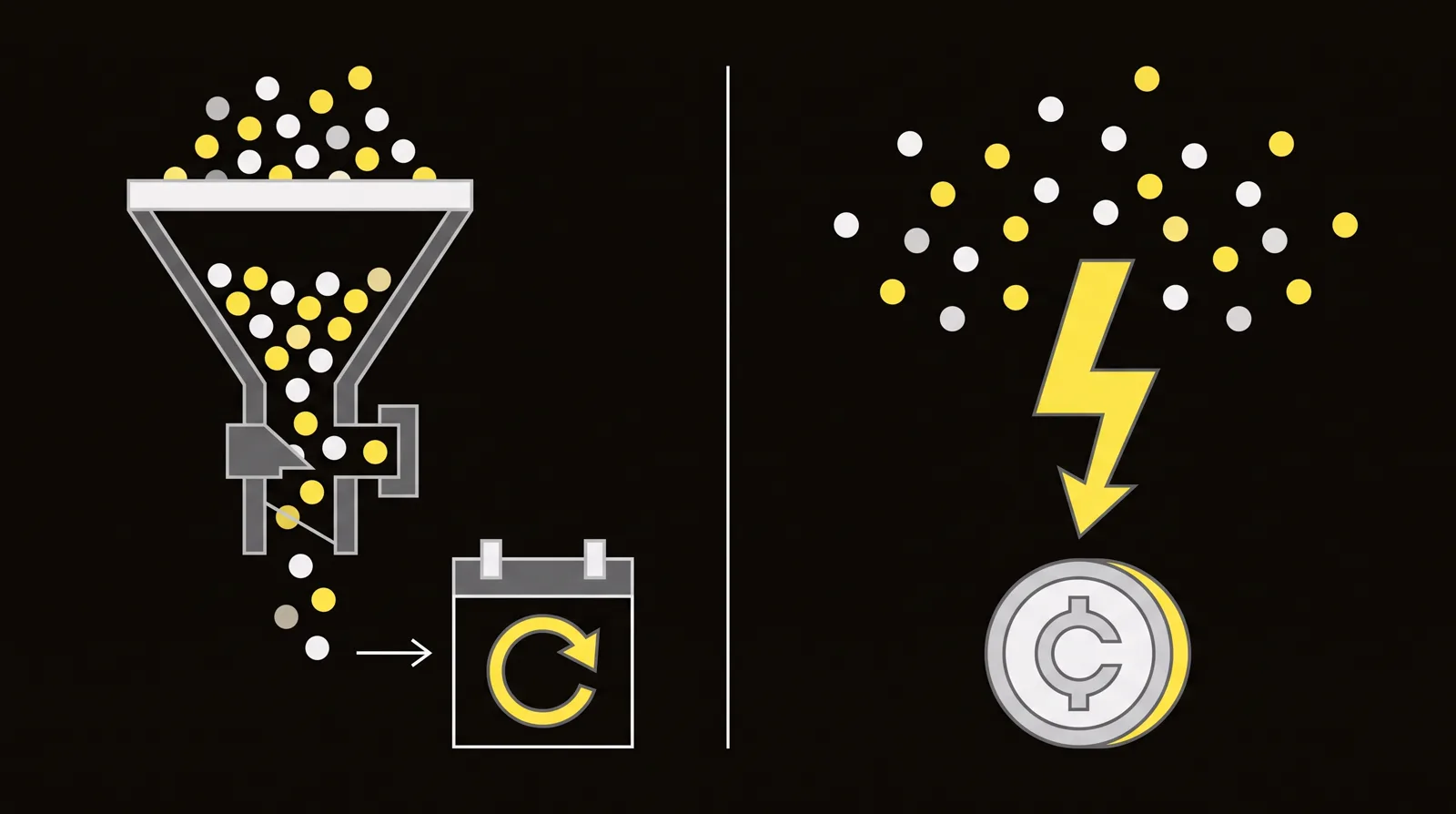
Start with what does not separate them, because it is most of the list. Both are free to join for approved sellers and affiliates, and both take nothing until you make a sale. Both act as the seller or merchant of record, so they calculate and remit the sales tax and VAT on an order and own the legal transaction. Both run a real affiliate network with tracked, automatic commission splits, so you are not standing up your own payout stack. Both have paid reliably for years: BuyGoods says it has paid more than $3 billion in commissions to over 90,000 affiliates and vendors across 110-plus countries since around 2016; JVZoo has run since 2011, has more than 800,000 registered affiliates and has made the Inc. 5000 four times.
And both leave the same two gaps for a paid-traffic seller. Neither is a real page builder, so you write and tune the sales page somewhere else. And neither can rotate whole checkout variants under one campaign URL or route payments across your own merchant accounts. On each sale there is a single processor, and the buyer is contractually the marketplace's customer, not yours.
Where BuyGoods wins
BuyGoods trades on curation and reliability in one vertical. Its home turf is health and wellness, supplements above all, and it is application and referral only: every affiliate is manually reviewed, and you cannot join without a referral or a documented traffic history. That gate is the point. For a supplement or wellness vendor, approval means direct access to an affiliate pool that already knows the verticals, the GEOs and the compliance line, which is a customer-acquisition channel you cannot buy off the shelf. Reviewers single out the payout reliability the platform is built on: one Affpaying reviewer says payments are never a headache and arrive within the agreed timeframe with no need to chase anyone. BuyGoods pays affiliates weekly, up to three times a week at higher volumes.
As merchant of record it does the unglamorous work for you: it runs the checkout, processes the payment, remits the sales tax, manages refunds inside a 60-day window and pays your affiliates, with instant global payouts and dedicated account managers reviewers describe as responsive. And it is not a bare directory. BuyGoods gives vendors a conversion-optimized checkout, A/B split testing on offers, real-time analytics and a landing-page generator that integrates with ClickFunnels, plus an API and XML feed to sync live campaign data. For a team already buying paid traffic to a supplement funnel, that tooling is a real edge over a marketplace that only lists offers.
The trade-offs are the gate, the niche and the cost. If you cannot pass the application, you are not getting in, and if you sell outside health and wellness you are in the wrong marketplace. BuyGoods publishes no fee schedule, so the vendor cut is quoted case by case and affiliate commissions come out on top, which makes the full deduction hard to model before you launch. Reviewers report a rolling reserve of roughly 10% of sales held against refunds and chargebacks and released months later, so price your margin and plan your cash flow with a hold in mind. And because BuyGoods is the name on the buyer's card statement, end-customer complaints about charges and refunds attach to its name: the Better Business Bureau issued a pattern-of-complaints finding against it in December 2025. Some of that is the nature of aggressive supplement funnels rather than BuyGoods itself, but a brand that guards its reputation should know it is sharing that name.
Where JVZoo wins
JVZoo is built for a narrower world and does one thing in it that BuyGoods does not advertise. Its home turf is the internet-marketing, software-launch and make-money niche, concentrated in the US, and its signature is JVZooPay, which pays an affiliate the instant a sale closes rather than on a weekly cycle, and returns the commission automatically if the sale is refunded. For launch culture, where affiliates choose which offer to promote on a given day partly on how fast they see the money, that instant payment is a genuine recruiting edge. Around it sit the tools launches run on: JV leaderboards, contests, Dime Sale countdown pricing and a two-tier affiliate program.
JVZoo also hands you two things BuyGoods will not. The first is open access: both vendors and affiliates join free with no application gate, so you can list a product and start recruiting the same day. The second is processor control. You can run a sale through your own PayPal, Stripe, BlueSnap or Authorize.net account and keep your own name on the buyer's statement, or use JVZoo Processing Services if you have no gateway of your own. Its headline fee is lower too, a flat 5% of the sale against BuyGoods' quoted-per-vendor cut.
The trade-offs are the flip side of open access. The marketplace is unvetted and hype-heavy. JVZoo does not screen products or creators, and one reviewer writes that most digital products sold on it are over-hyped, low-quality software or outdated courses. Listing there puts your offer in that neighbourhood, and promoting there means vetting everything yourself. Buyer support and refunds are hit-or-miss, because the vendor handles the first line of support on a JVZoo sale, and aggregated complaint boards cite price, refunds and poor service as the top themes across hundreds of reviews. Affiliates who send refund-heavy traffic face longer holds on their commissions as a penalty, and a product can vanish without notice and leave dead affiliate links.
Pricing, side by side
Neither charges a monthly subscription, so the comparison is entirely about the per-sale cut and what stacks on it. JVZoo's number is public and lower: a flat 5% of each sale. But read what sits under it. If you use JVZoo Processing Services instead of your own gateway, processing fees apply on top of the 5%, and the affiliate commission the vendor sets, anywhere from 50% to 100%, comes out of the same sale. If you bring your own low-rate processor, the all-in cost can stay close to that 5%; if you lean on JVZooPay, it climbs.
BuyGoods does the opposite. It publishes no rate at all. As merchant of record it quotes the vendor cut case by case, affiliate commissions come out on top, and a rolling reserve of about 10% of sales is held back for months against refunds and chargebacks. So the honest summary is a trade between transparency and done-for-you scope. JVZoo tells you the headline number but leaves you to assemble processing and support; BuyGoods hides the number but does the tax, refunds, payouts and reserve management end to end. Price the offer with the cut, any processing and the affiliate commission built in before you compare, because at real volume both take a meaningful bite, and with BuyGoods you cannot model that bite until you are approved and quoted.
If you want to own the checkout: a third name to weigh
Both platforms make the same trade you may not want to make. Because each is the merchant of record and the single processor on a sale, you cannot split-test whole checkouts under one campaign link, you cannot route payments across your own merchant accounts, and there is no real page builder in either. For a team that buys media at volume and wants to own that stack, those absences are what ElasticFunnels is built around. Its lead feature is same-URL split testing: variants rotate server-side under one campaign link, so Meta, Google and TikTok keep their optimisation and a new test never sends the ad back through review. It builds the pages, with an AI builder that generates one from a prompt or clones one from a URL, and it hosts the checkout with order bumps, one-click upsells and subscriptions, and it can route payments across several merchant accounts, which neither BuyGoods nor JVZoo can do. The click, the order, the rebill and the refund land on one timeline with a CRM and attribution, so nobody reconciles exports to see which angle actually made money.
The honest catch is age. ElasticFunnels is newer than either BuyGoods or JVZoo, and there is very little independent third-party review coverage to check its claims against, so until you push real volume through it you are largely taking the vendor's word for it. That is what you would expect of a platform this recent, and it is the one place these two marketplaces' long track records count for more. It is scoped to the outside proof, not the product: the split testing, the checkout and the routing are there to use on day one. It is also why the trial matters: the 14-day trial needs no credit card, so you can prove the split testing and the checkout on your own traffic before you move any spend. Pricing is flat and public at $97, $197 and $497 a month, with every feature on every plan and the tiers differing by traffic. EF-hosted checkouts carry a 0.5% fee on the revenue routed through them, and sales you run on outside networks like BuyGoods and JVZoo are not charged, so it can sit alongside a marketplace rather than replace it. What it does not hand you is a built-in affiliate network the way these two do, so a seller whose growth depends on recruiting affiliates will still want one of these marketplaces for that channel. You keep the pages, the same-URL split testing and the multi-account checkout for the traffic you control, and our ElasticFunnels review has the rest.
The short version
These two are the same shape of business built for opposite sellers, so the two-way answer holds. Pick BuyGoods if you are an experienced health or wellness marketer who can pass its application and wants a curated, high-payout marketplace with the merchant, tax, refunds and weekly payouts handled for you, and conversion tooling built in; it is our pick between the two for the seller it is built for, on reliability and curation, even with the opaque fee and the reserve. Pick JVZoo if you sell an internet-marketing, software or make-money launch and want open access with no gate, a lower 5% headline fee, affiliates paid the instant a sale closes and the option to keep your own processor. And if the real constraint is that you want to own the checkout, split-test it under one URL and route your own payments, that is the signal to look past both. Every tool here, and the rest of the field, is in the full ranking, with the method behind it on how we research.
This comparison is based on current vendor documentation and pricing, checked against long-term user reports, review sites and public complaint records. CheckoutScale did not open accounts or process transactions on either platform. Prices and product facts reflect the vendors' own pages as of late September 2026.
Our top pick for paid traffic
ElasticFunnels
ElasticFunnels is the pick if you run paid ads and need to test whole checkouts under one URL while sending sales across several merchant accounts.
Frequently asked questions
Is BuyGoods or JVZoo better for paid traffic?
Which is cheaper, BuyGoods or JVZoo?
BuyGoods sources
From BuyGoods
Other sources
5 discussions and reviews read for this page. Quotes are excerpts; open a link to read the original in context.
- [bg-trustpilot] BuyGoods Inc. Reviews (Trustpilot summary via research)
- [bg-restock] BuyGoods restocking fee complaint
- [bg-cb-complaints] BuyGoods complaints, ComplaintsBoard
- [bg-refund-policy] BuyGoods Refund Policy (vendor page)
- [bg-terms-60] BuyGoods Terms & Conditions of Sale (vendor page)
JVZoo sources
From JVZoo
Other sources
3 discussions and reviews read for this page. Quotes are excerpts; open a link to read the original in context.
- [jv-funnel-link] JVZoo Features
- [jv-funnel-builder] JVZoo Features
- [jv-fee-per-sale] JVZoo FAQ
Related reading
Comments
No comments yet. Questions and your own experience are welcome.
Thank you. Your comment will appear once it has been reviewed.