You have probably run into FunnelKit the way most WooCommerce store owners do. You wanted a real checkout, order bumps and post-purchase upsells, not the plain WooCommerce checkout, and every WordPress thread eventually named it. It used to be called WooFunnels, which is why some of the reviews you found say one name while the plugin says another. So the question you arrived with is the right one. Is FunnelKit the genuine article, and will you regret building your store on it?
The short answer: it is real, it is not a reskin of someone else's code, and the vendor says more than 40,000 stores run it with over a thousand five-star reviews on WordPress.org. It is made by Wisetr, and it has shipped the same product under two names since 2017. Whether you regret it comes down to one thing: what you are actually trying to do.
What FunnelKit is
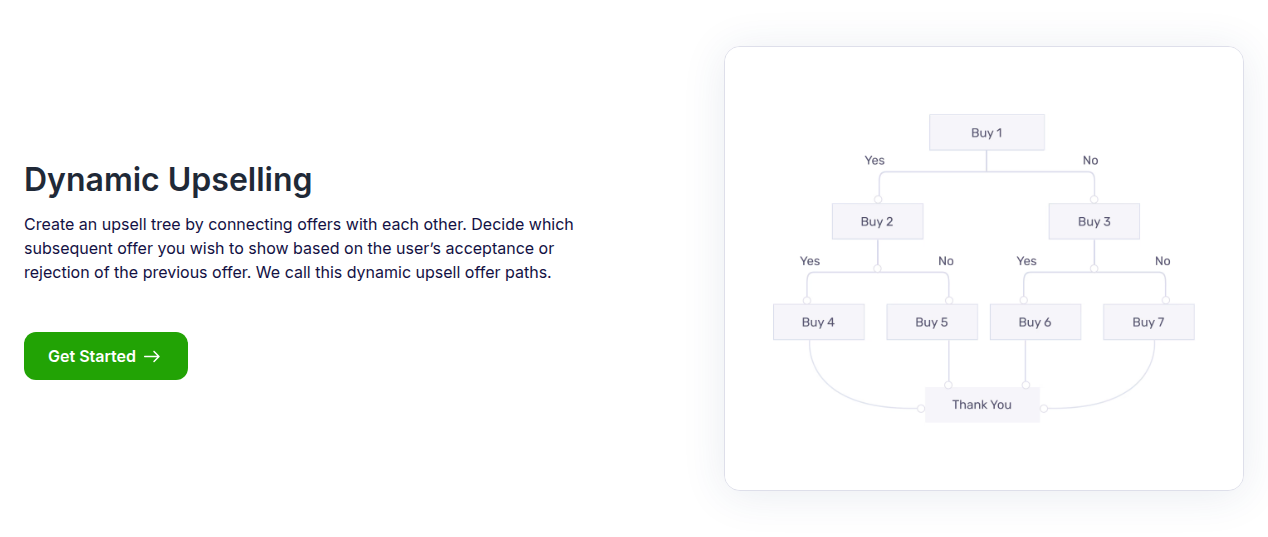
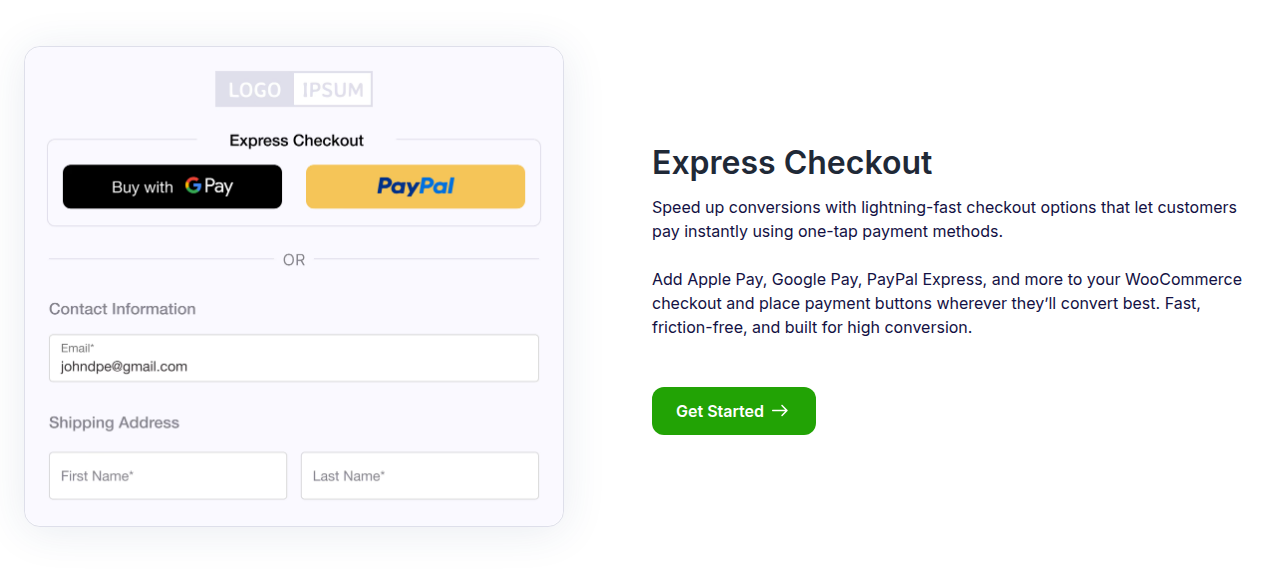
FunnelKit is a sales funnel builder for WordPress and WooCommerce. It swaps the default WooCommerce checkout for an optimized one, single or multi-step, with express pay, address autocomplete and a sliding cart. On top of that it adds the two levers that lift average order value: rule-based order bumps on the checkout, and true one-click post-purchase upsells and downsells that do not ask for card details again. You can A/B test any step and watch the revenue per funnel in its own analytics.
What separates it from a plain checkout plugin like CartFlows is the second half of the product. FunnelKit ships a built-in marketing engine, Autonami, with a CRM, contact profiles, email and SMS broadcasts, cart abandonment recovery and a visual automation builder. Reviewers who have tested both describe it as being like ActiveCampaign inside WordPress. If you have been paying for a separate email tool alongside your funnel builder, that is the cost FunnelKit is trying to fold into one licence.
Where it fits, and where it does not
FunnelKit is built for a WooCommerce store that wants to sell harder to the traffic it already has: a warm list, organic search, repeat buyers. For that store it is one of the most complete tools in the WordPress ecosystem, and its support is the thing users praise most consistently.
It is not built for a media buyer scaling cold paid traffic, and two gaps decide that. Its A/B testing splits traffic across separate page variants, which an ad platform can read as different pages and re-learn against, unlike the same-URL split testing a paid-traffic checkout needs. And it runs through a single WooCommerce gateway, with no routing across several merchant accounts, so a high-risk or high-volume seller who spreads payments across MIDs will outgrow it. Neither gap matters to a store on one Stripe account selling to an email list. Both matter a great deal if you buy your clicks.
The catch worth knowing
The breadth that makes FunnelKit capable also makes it slower to learn than the simpler CartFlows. The checkout side goes up in an afternoon. The automation builder is where the hours go, and reviewers are candid that complex workflows take real time to get right the first time. Pricing is the other friction: the automation engine sits on the Professional plan and up, first-year discounts renew at full price, and FunnelKit retired its lifetime deal, so it is an annual subscription that costs more than CartFlows at matching tiers. Read the pricing breakdown below before you pick a plan, because the tier you need depends on whether you want the CRM.